From Weet-Bix to dark chocolate: Six surprising sources of iron
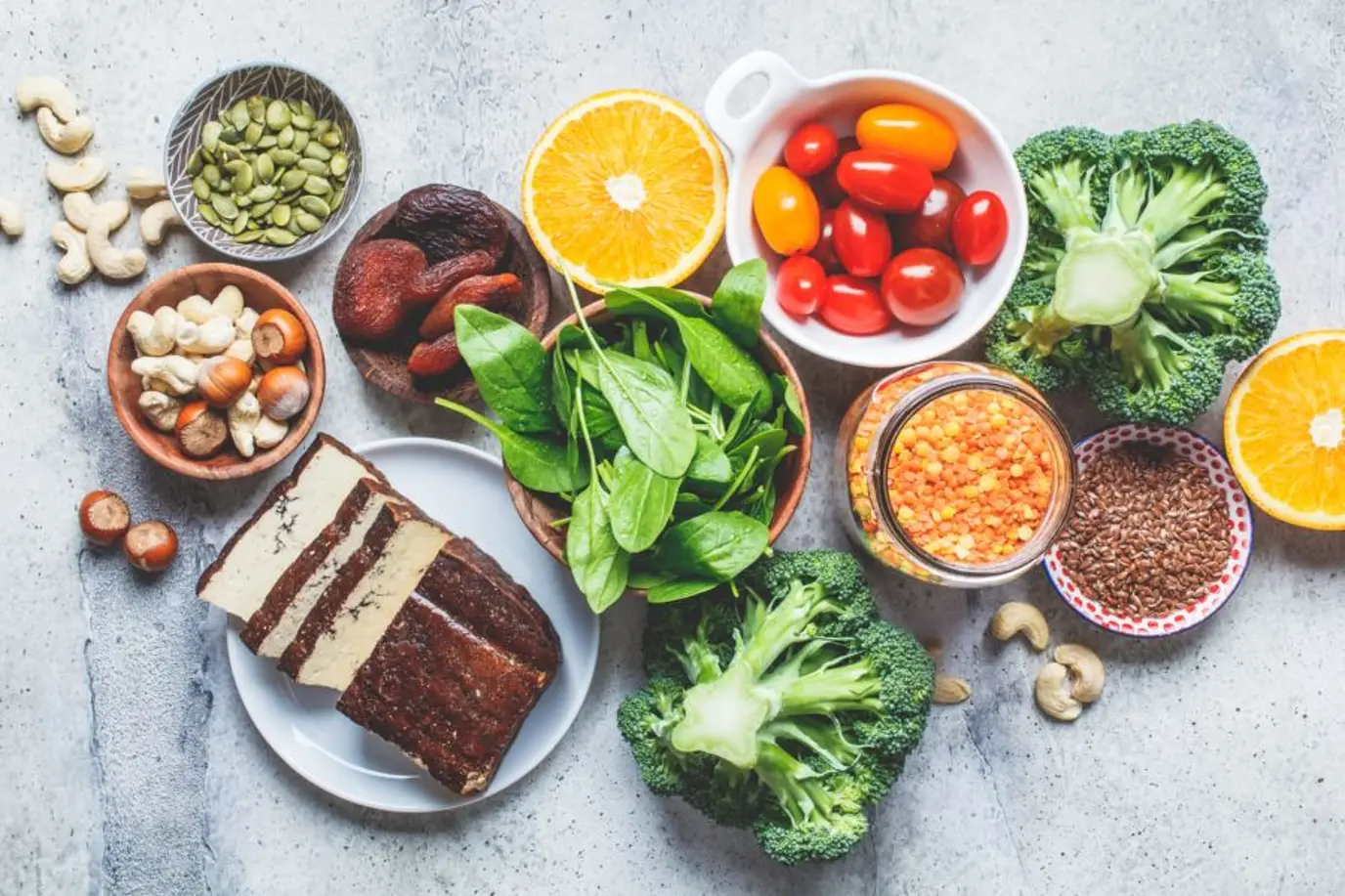
Feeling flat, foggy or running on empty? Your iron intake could be one piece of the puzzle. This hard-working mineral helps carry oxygen around your body and supports the production and function of immune cells. When iron levels are low, you may feel tired, irritable, have trouble concentrating or be more prone to infections.
The latest Australian nutrition data shows iron is a nutrient many of us need to pay more attention to, especially as the number of people with inadequate iron intake has increased over the last decade. Around one in five Australians aged 2 years and over are not getting enough iron in their diet, and women are more likely than men to fall short. In fact, almost half of women aged 18–29 are not meeting their iron requirements.
The good news is that iron can be found in a range of nutritious foods – some of which might surprise you!
1. Wholegrains: the pantry staple doing more than you think
It might come as a surprise, but the majority of iron in our diet actually comes from cereals and cereal-based foods – in fact they represent over one third of our total iron intake. Think sandwiches, pasta and noodle dishes, breakfast cereals, wraps and breads. Wholegrains such as wholegrain wheat, oats, and quinoa naturally contain iron, while many breakfast cereals also have iron added. Breakfast cereals are particularly important contributors, providing around 14% of the iron consumed by people aged 2 years and over, compared to just 9% from unprocessed red meat. For a nutritious start to your day, grab two Weet-Bix, which provides 3mg of iron.
2. Legumes: the weeknight dinner shortcut
Beans, lentils and chickpeas are quietly impressive when it comes to iron - a cup of canned kidney beans provides 3.2mg of iron. Plus they are affordable, versatile and easy to keep on hand. Add lentils to a pasta sauce, toss chickpeas through a salad, or stir kidney beans into your taco mix.
Bonus: legumes also bring fibre and plant protein to the table, helping meals feel satisfying and nourishing.
3. Marmite: the savoury spread with a little extra
Not only is Marmite a useful way to add flavour to your meals and snacks, it can also help to boost your iron intake. Spread it on wholegrain toast, stir a little through soup or use it to add savoury depth to roasted vegetables. A little goes a long way, with each 5g serve providing 1.8mg of iron.
4. Tofu: power plant protein
Tofu is not only a good source of plant protein, it also provides iron, with 4.0mg per 170g serve. Try firm tofu in a stir-fry, crisped up in the air fryer, added to a nourish bowl or marinated with soy, ginger and garlic for an easy midweek dinner.
5. Dried fruit: a naturally sweet iron-containing snack
Dried apricots can also contribute iron to your diet, with a 30g serve providing 0.9mg of iron. Pair them with nuts for a simple snack, chop them into porridge, or stir them through homemade muesli.
6. Dark chocolate: the delicious surprise
Yes, dark chocolate contains iron, with 1.1mg of iron per 25g serve. But think of it as a bonus rather than your main strategy. Choose a good-quality dark chocolate and enjoy a few squares with strawberries, kiwifruit or orange segments for a delicious snack that pairs iron with vitamin C, which helps the body better absorb iron found in plant foods.
A day on a plate
[infographic placeholder]
The below shows one way you can hit your iron needs with a day of nutritious meals.
Breakfast: Weet-Bix™ Fruit Stacks - 5.2mg iron
Morning Tea: Dried apricots (30g) and cashew nuts (30g) - 2.3mg iron
Lunch: No-Bake Chickpea Shakshuka - 9.8mg iron
Afternoon Tea: Cheese and Marmite scrolls - 3.1mg iron
Dinner: Sesame soba with miso tofu skewers - 5.4mg iron
Total iron: 25.8mg
For other delicious plant sources of iron, check out: Can you get enough iron from a plant-based diet? - Sanitarium
Remember, if you are feeling unusually tired, breathless, light-headed or concerned about your iron levels, speak with your GP or an Accredited Practising Dietitian for personalised advice.