Changing lives every day through whole-person health
.png?format=webp&quality=70&width=1376 "Image: Driven by Purpose for Over 125 Years")
Guided by purpose
For more than 125 years, we’ve worked to make healthy, affordable food more accessible, while sharing nutrition knowledge and supporting communities to thrive.
Our philosophy goes beyond physical health alone. We believe true wellbeing comes from caring for the body, heart and mind together - a belief that continues to guide our unwavering philosophy of changing lives every day through whole-person health.
The ideas that inspired us
Long before Sanitarium began, visionaries like Ellen G. White and Dr John Harvey Kellogg in the United States were promoting the idea that people could ‘learn to stay well’ through healthier lifestyles and simple, nourishing food.
When Ellen G. White visited Melbourne in 1891, her lectures and cooking demonstrations sparked growing interest in nutrition education, vegetarian cooking and healthier living across Australia - helping inspire the thinking that would eventually shape Sanitarium.
.png?format=webp&quality=70&width=1376 "Placeholder Image: About us Timeline")
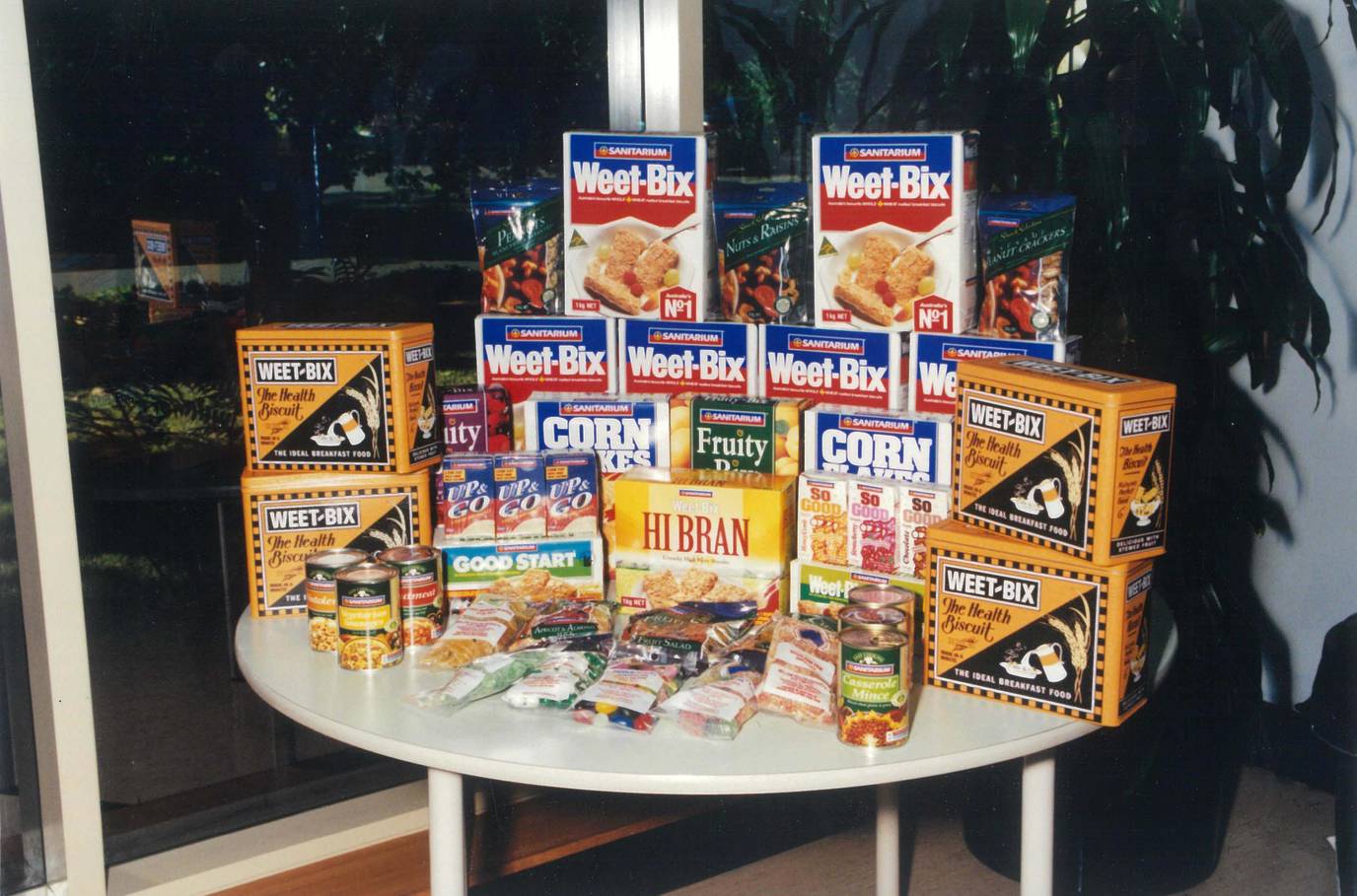
Nourishing generations since 1898
Inspired by this budding health reform movement, Sanitarium Health Food Company was officially registered in Melbourne on 27 April 1898 - becoming Australia’s first Health Food Company.
Founded to help people live healthier lives through better nutrition, Sanitarium began producing simple, nourishing foods while sharing health education with communities across Australia.
Fast forward to today and that founding purpose continues to shape everything Sanitarium does.
Sanitarium through the years
We’ve always been guided by our overarching philosophy to respect and celebrate the infinite value created in each of us, by genuinely caring for the health, hope and happiness of every person.
Here’s how this philosophy has shaped Sanitarium from 1898 all the way until today.
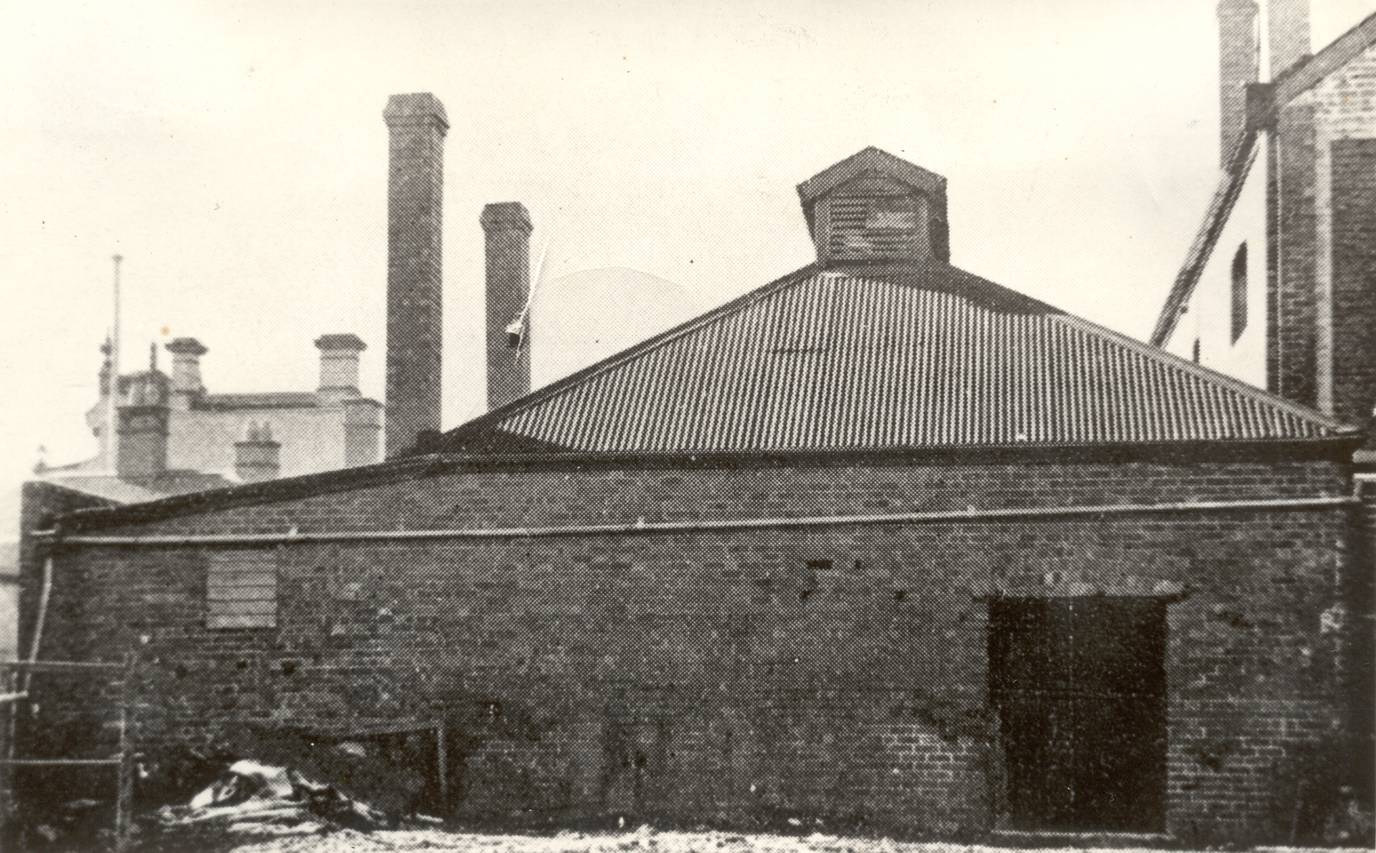
1898-99
The first years of Sanitarium were marked by uncertainty and resilience. Australia was facing economic depression at the turn of the century, and the company was attempting to build support for the entirely new concept of health food.
Despite these challenges, the business quickly outgrew its original premises, and operations moved to a property near Avondale College in Cooranbong, NSW, where an existing sawmill was converted into a bakery
Products including Granose™ biscuits and flakes, Caramel Cereal and Nuttose™ - an early meat substitute - laid the foundations for our early product range and future vegetarian food innovations.
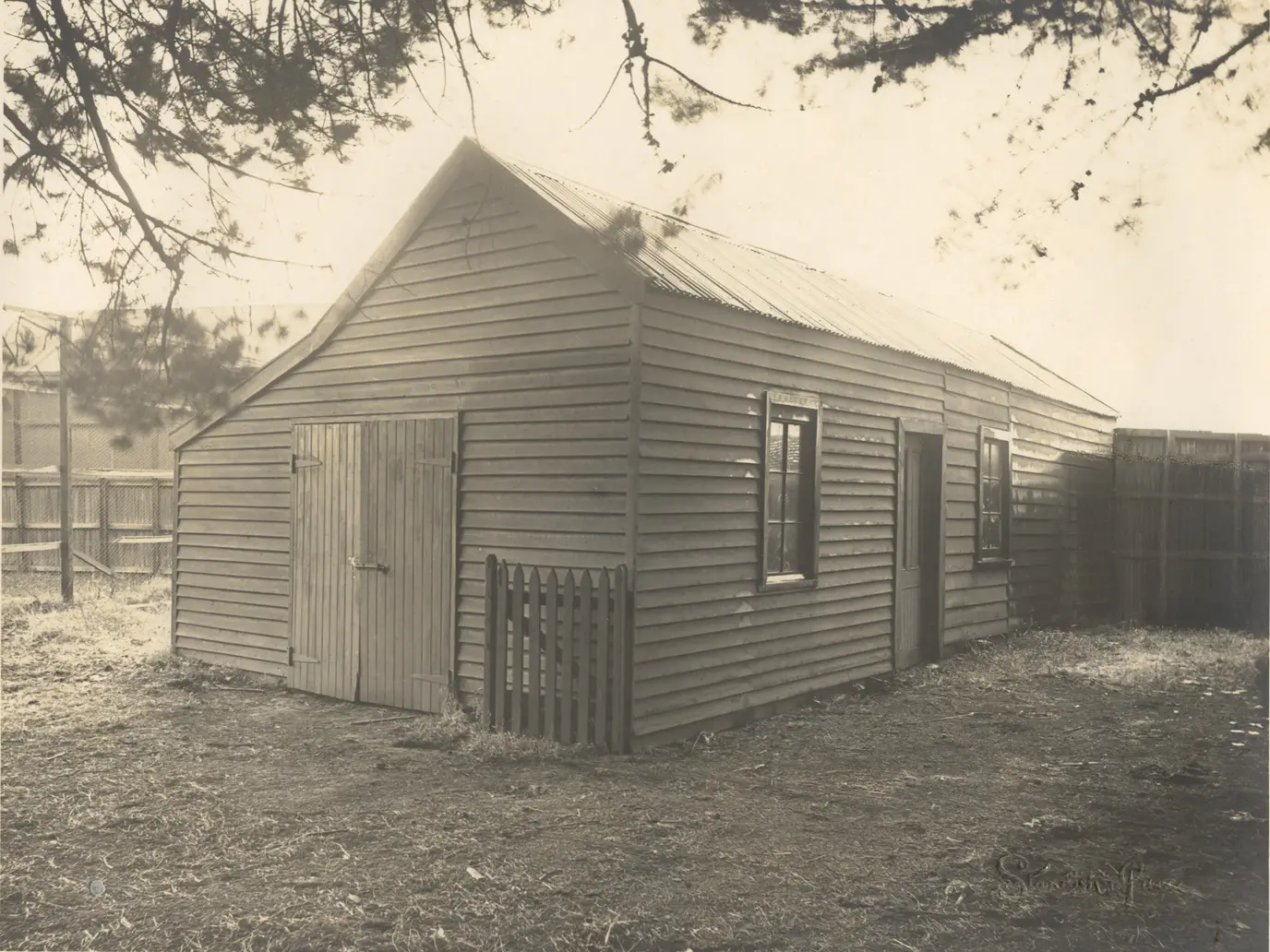
1900
Sanitarium’s health food work soon expanded across the Tasman when Dr Frederic Braucht, a New Zealand-based medical practitioner requested a baker be sent from Australia to New Zealand.
Edward C. Halsey relocated to Christchurch, establishing a bakery behind Dr Braucht’s Health Home with support from health visionary Sidney H. Amyes. Together, the pair helped build the fledgling Sanitarium Health Food Company New Zealand into a growing success.
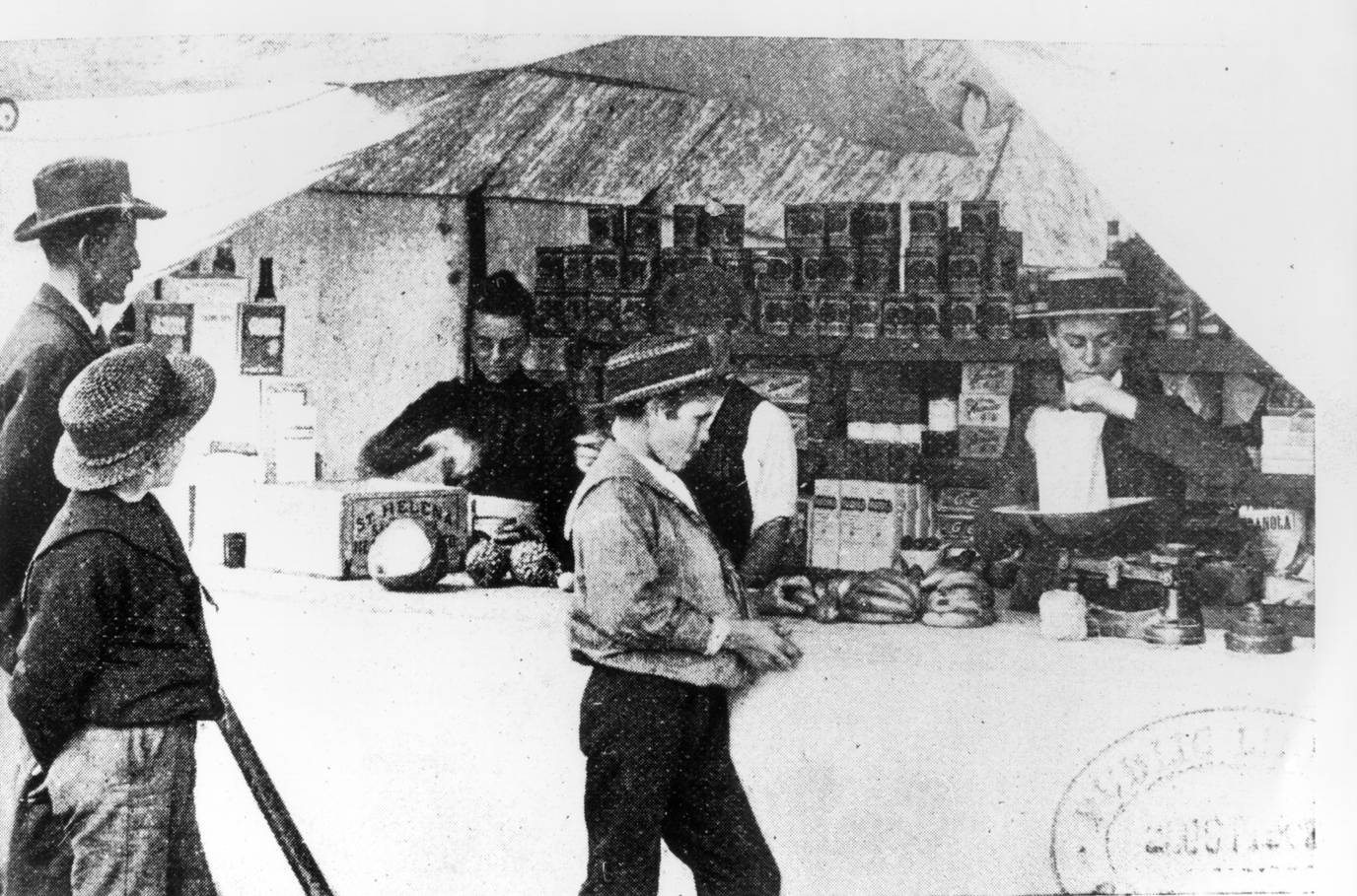
1902
Sanitarium opened the Pure Food Vegetarian Café in Pitt Street, Sydney, combining healthy dining with a retail arm selling take-home health foods. The cafés became centres for nutrition advice, cooking demonstrations and health lectures across Australia.
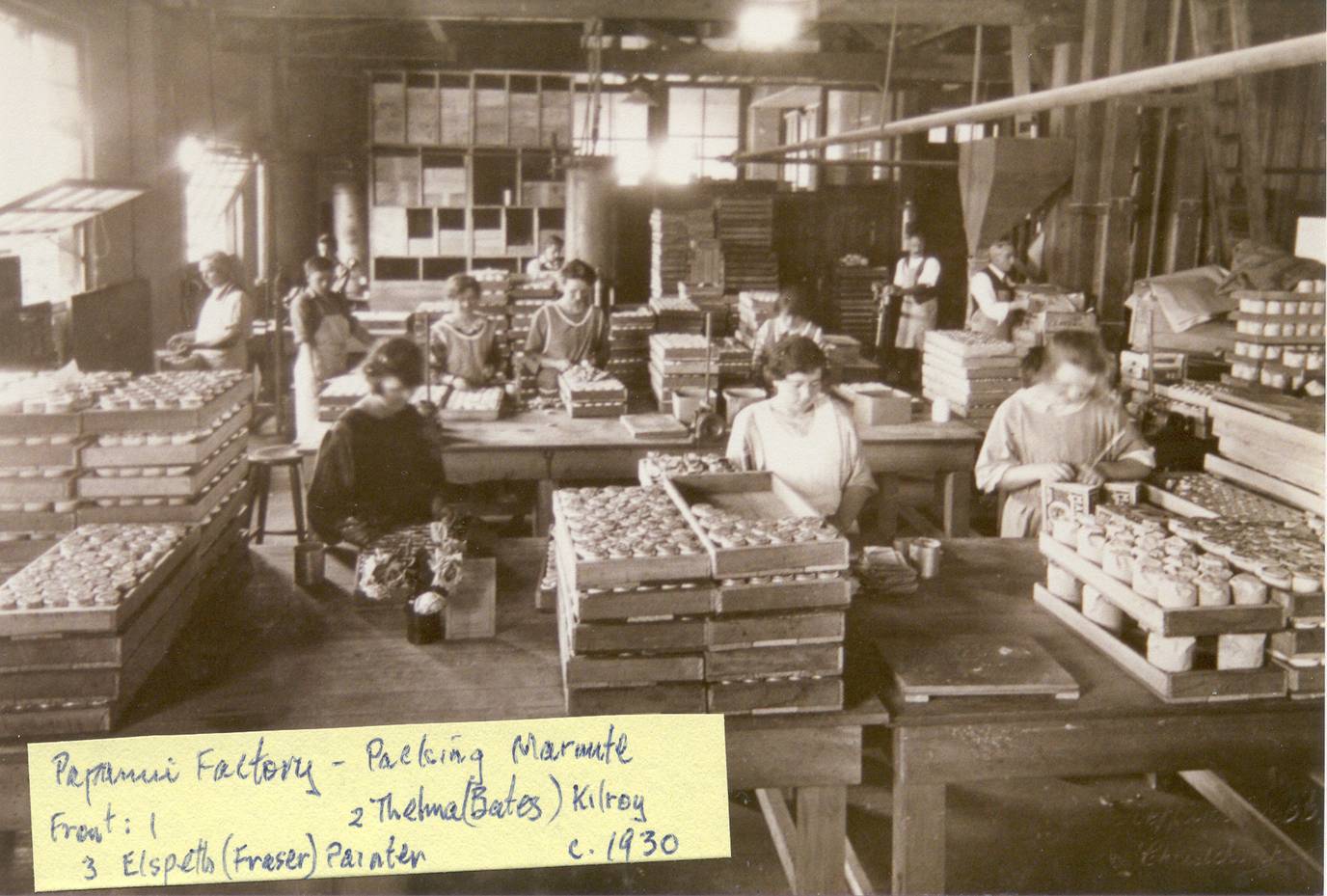
1924
Sanitarium began importing British Marmite™, repacking it in Christchurch and Melbourne as demand steadily grew across Australia and New Zealand.
Around the same time, rival cereal and health food companies were emerging, increasing competition within the breakfast market.
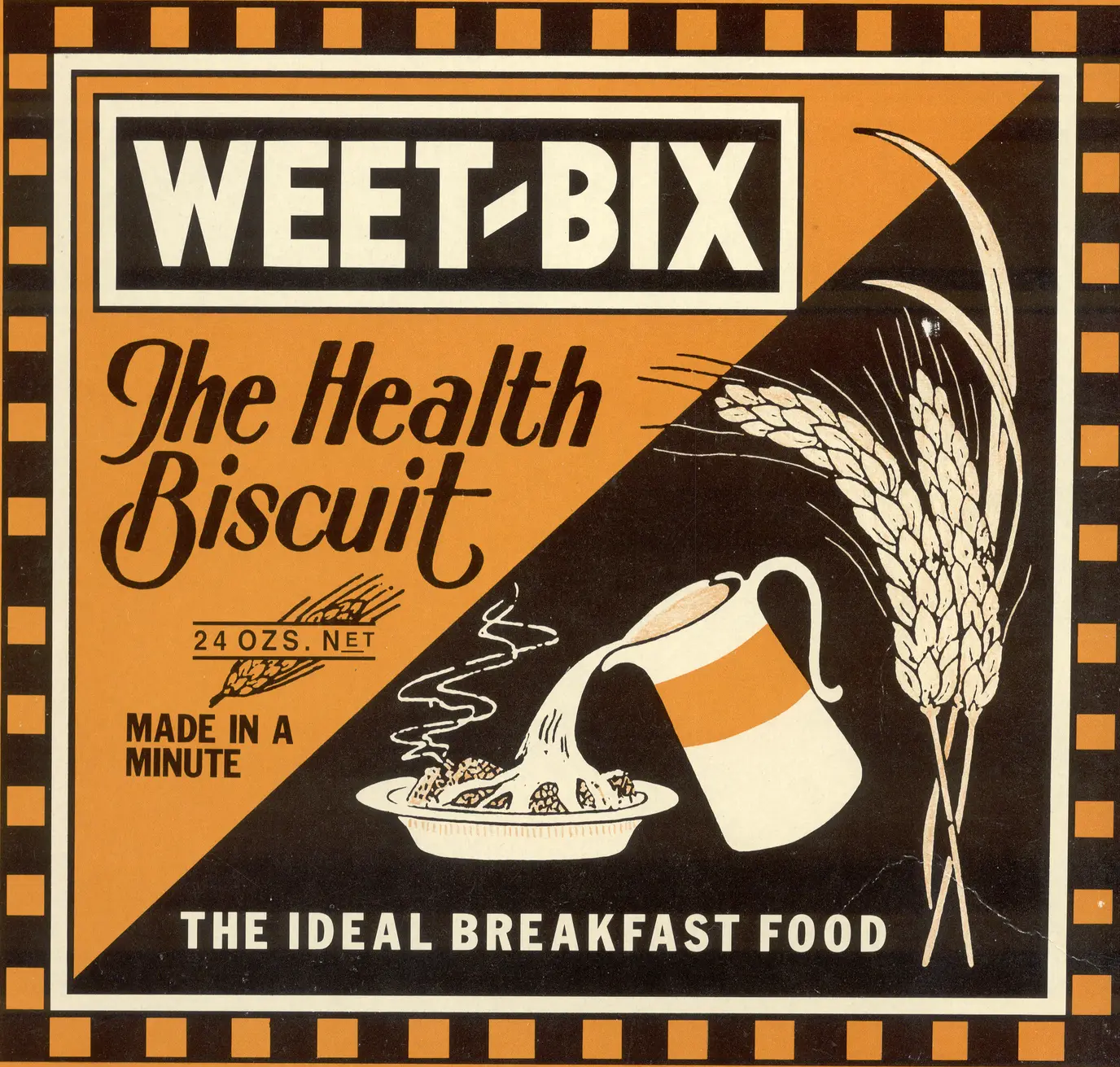
1928
A defining moment in Sanitarium’s history came on 30 October 1928, when the company secured ownership of the Weet-Bix™ brand and manufacturing operations. The deal also included an option over the GPL New Zealand business, which was later purchased in 1929.
Weet-Bix™ would go on to become one of Australasia’s most iconic breakfast cereals.
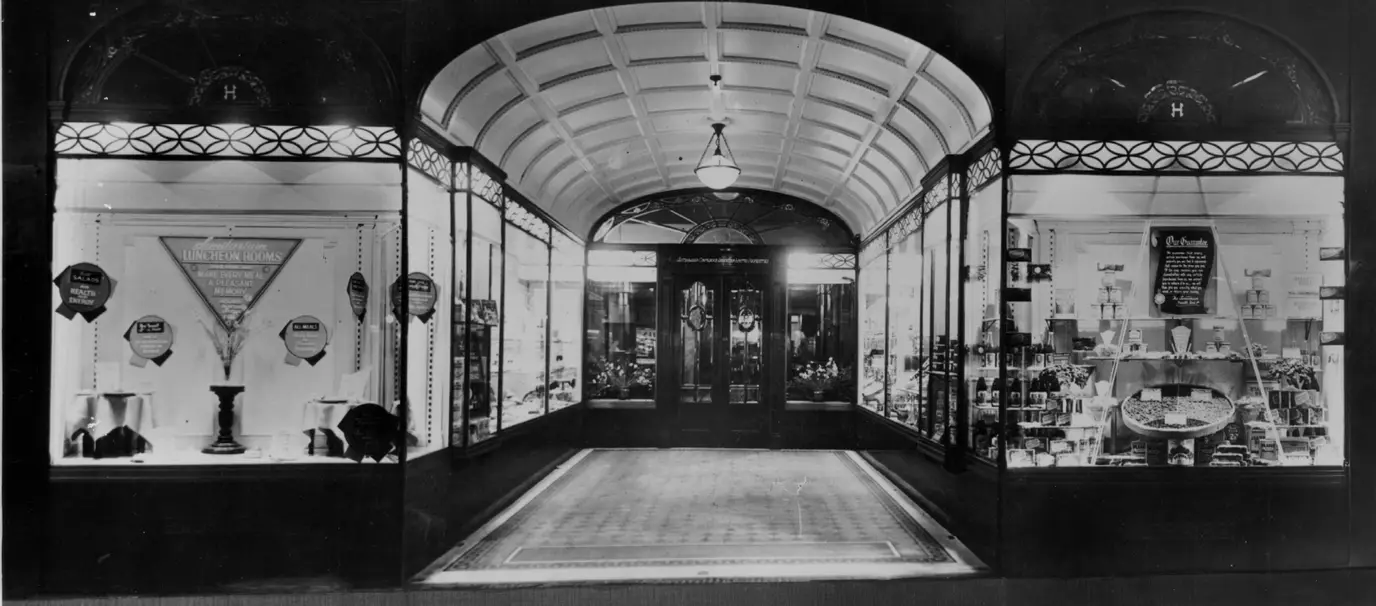
1930s-1950s
Sanitarium’s manufacturing facilities and retail operations expanded across Australia and New Zealand, with factories built or acquired in all capital cities.
Like the cafés before them, Sanitarium’s retail shops supplied healthy foods while also sharing health information, nutrition advice, cooking demonstrations and lectures - introducing a new generation to vegetarian cooking. As demand grew, factories expanded across Australia and New Zealand, and exports reached Asia, Africa and the Middle East so more families could enjoy nourishing, affordable meals.
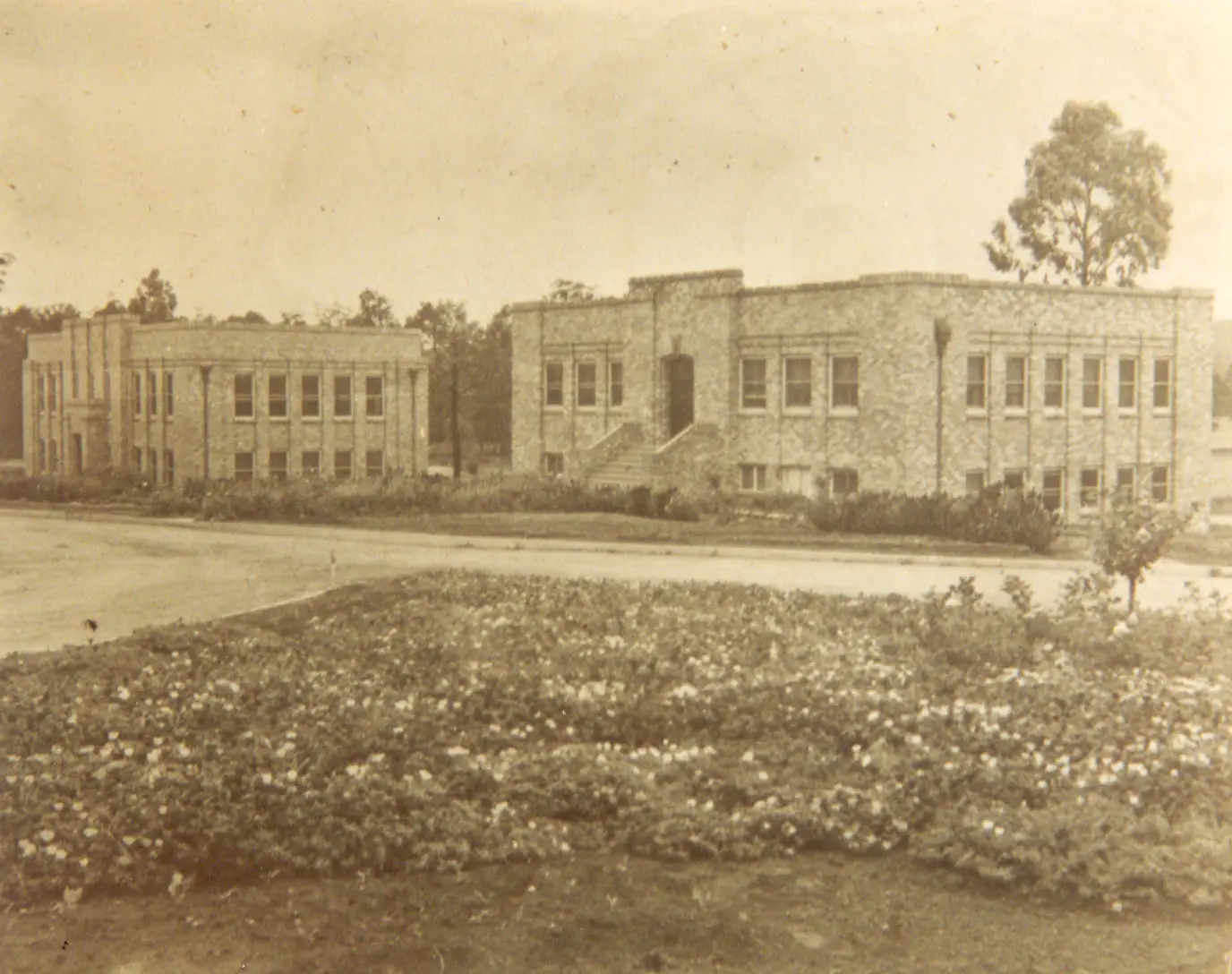
1934
Sanitarium established its first official food research laboratory, purpose-built near the Cooranbong factory. A team trained in chemistry began setting quality standards for the company’s existing products.
Known today as Sanitarium Development and Innovation (SDI), it is one of the largest privately owned food research facilities in Australasia.
1940s–1950s
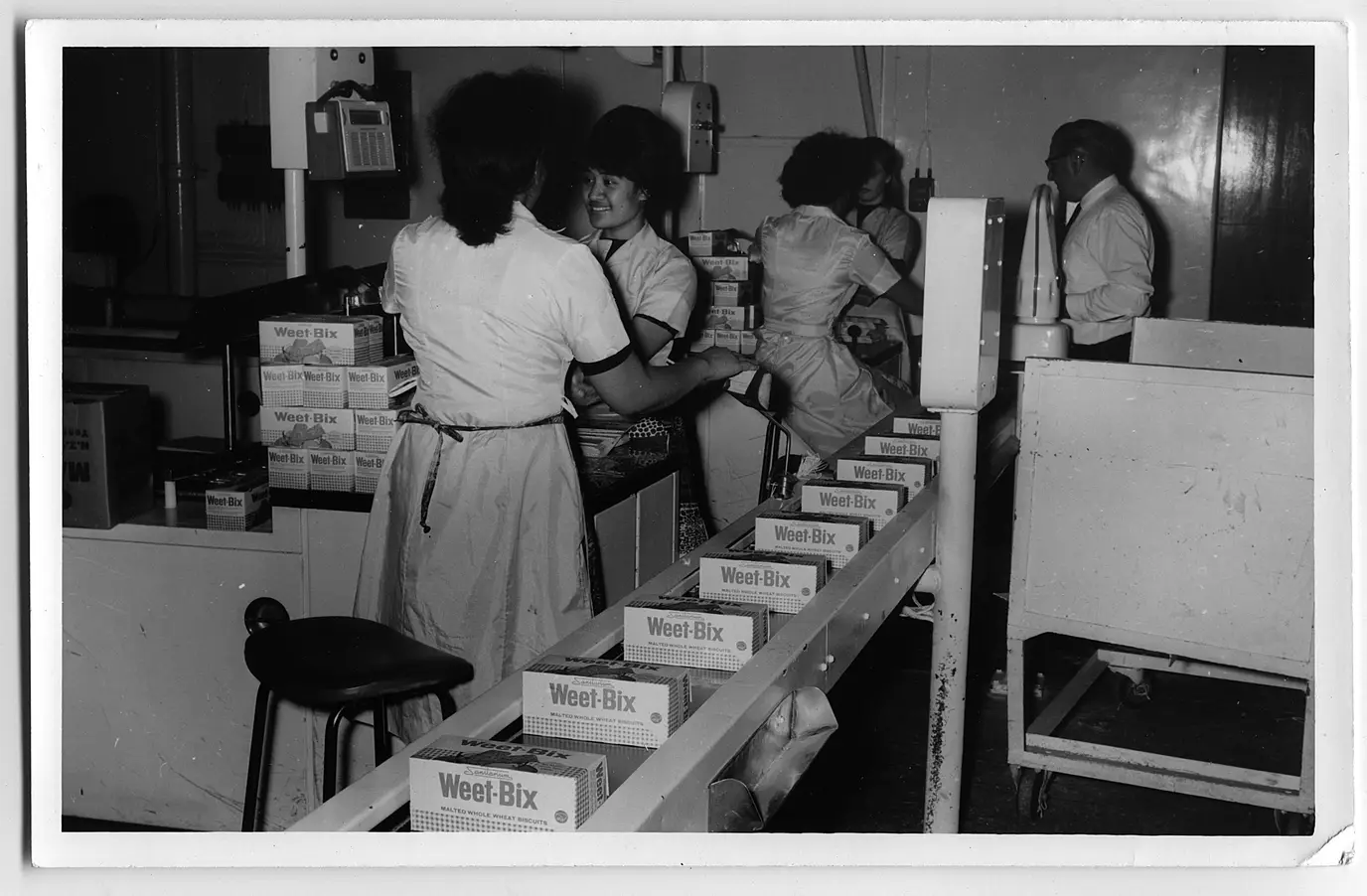
Work began at Cooranbong on a mechanical continuous flake-biscuit machine, inspired by a design shared by Granose Foods Ltd in England. In the 1950s, a new semi-automatic packaging machine was developed - a major step forward from hand-packing Weet-Bix™ - with the Hobart factory becoming the first to be automated.
1960s
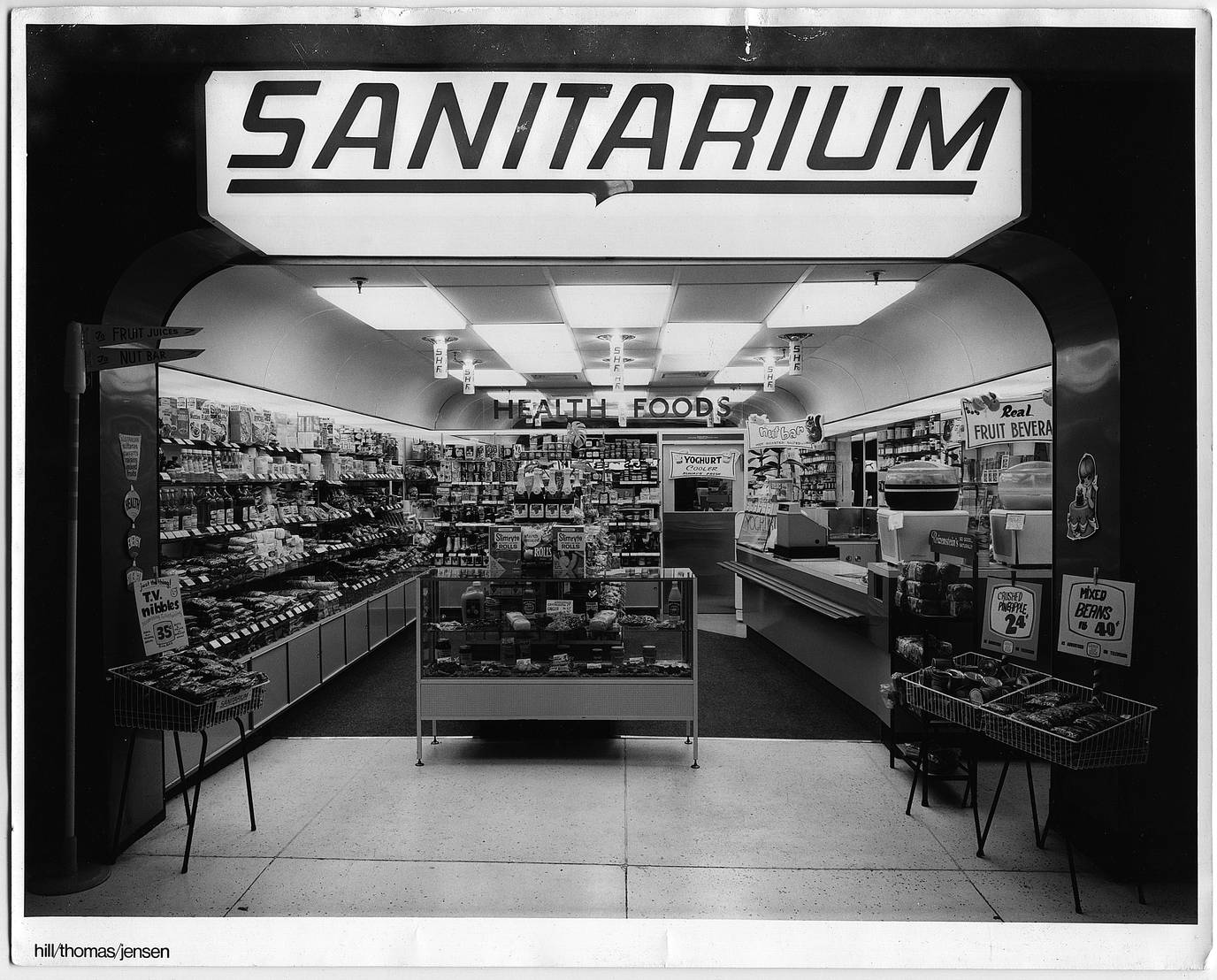
Suburban retail shops opened in Sydney and other major cities to meet growing demand, making Sanitarium’s products more accessible to Australian families as cars became more popular.
1970s
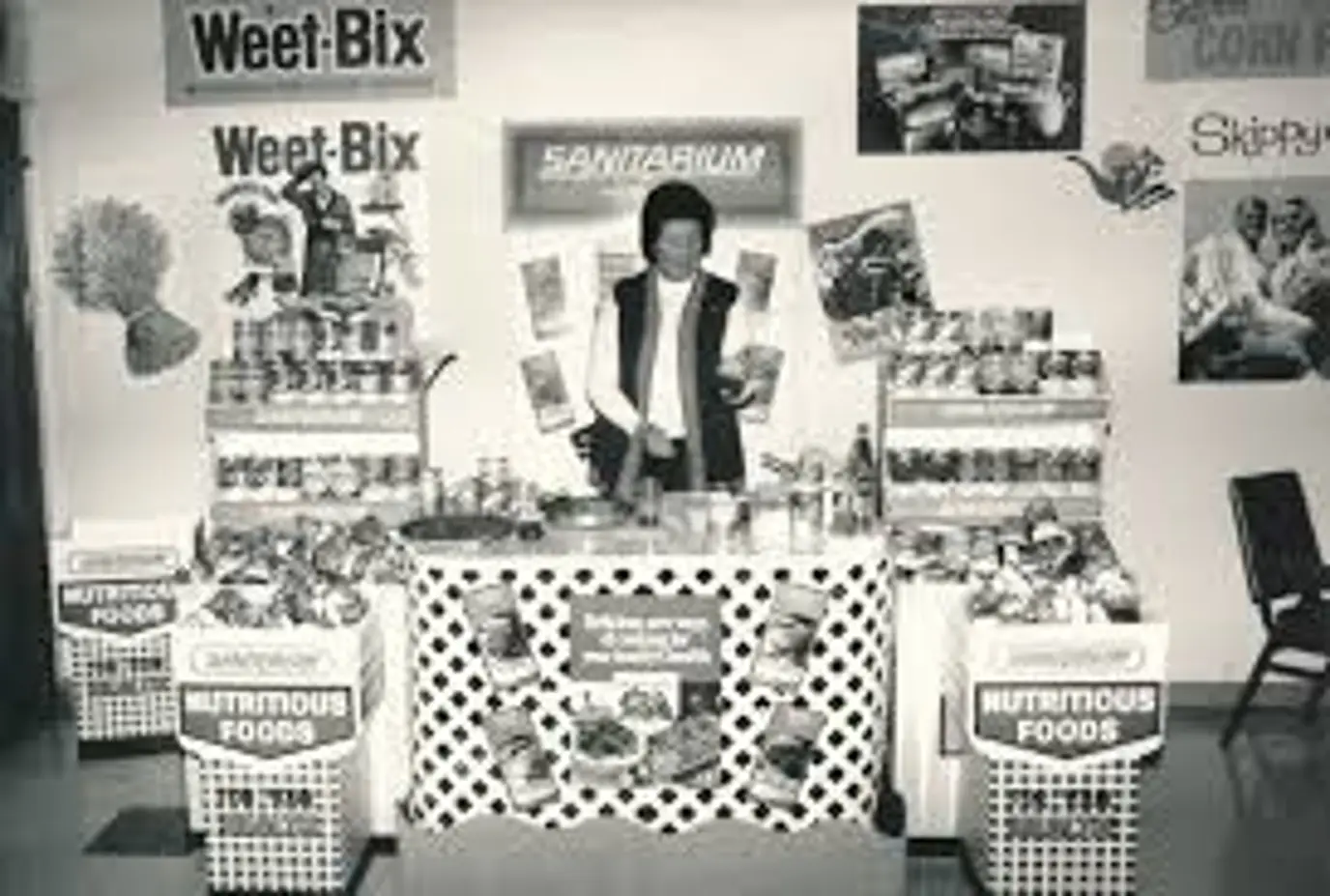
Sanitarium was commissioned by a Victorian television station to produce a weekly five-minute vegetarian cooking demonstration, with over 1,000 viewers writing in requesting recipes after the segment aired.
1981
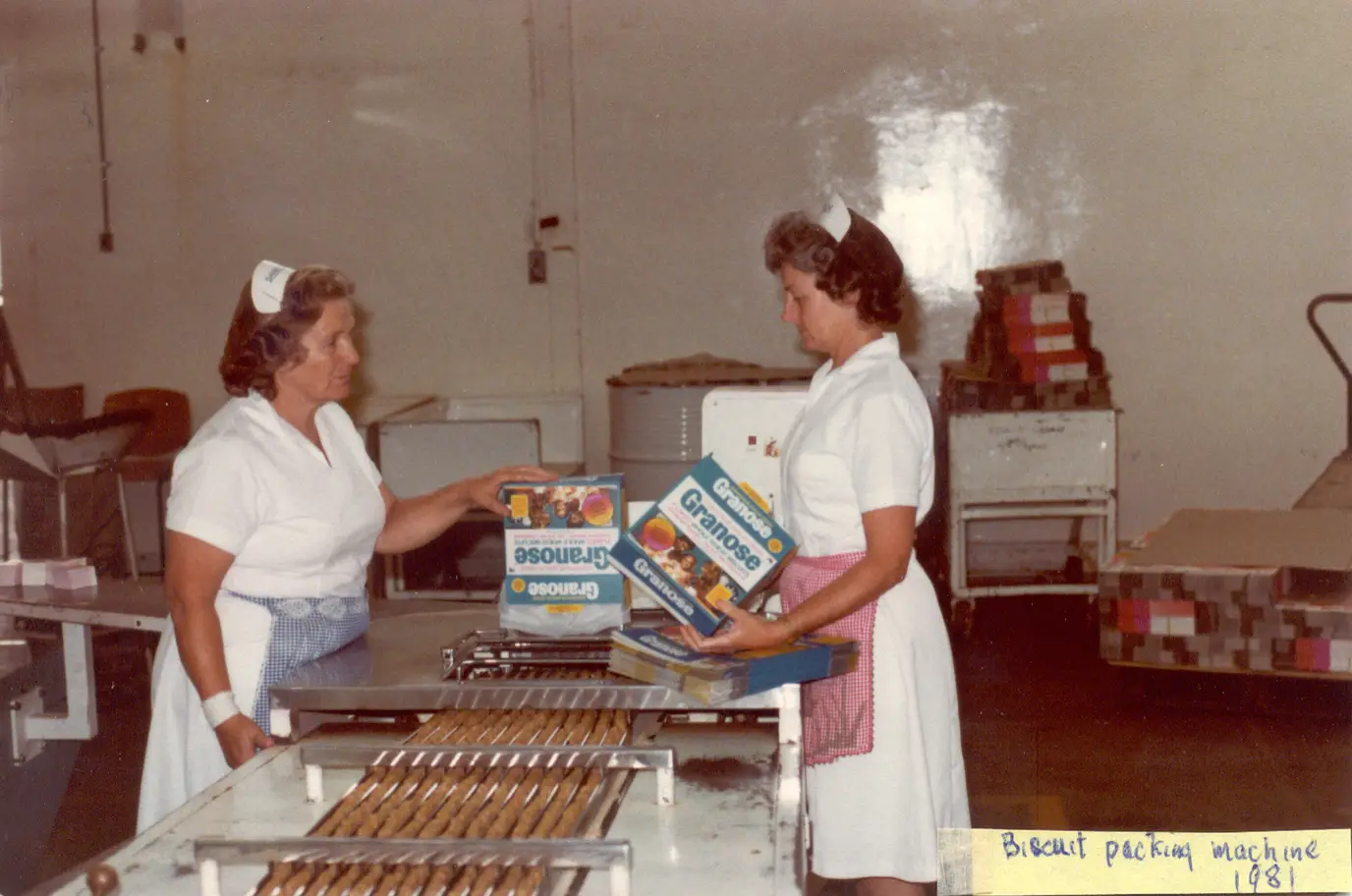
Barcodes were introduced onto Sanitarium packaging as the company kept up with modernising retail technology and grocery systems across Australia.

1986
After researching and experimenting with soy milk beverages since 1956, the first batch of So Good™ Regular was released in 1984 in 250mL cartons. Within months production had more than tripled and 500mL cartons were introduced, followed by 1L cartons.
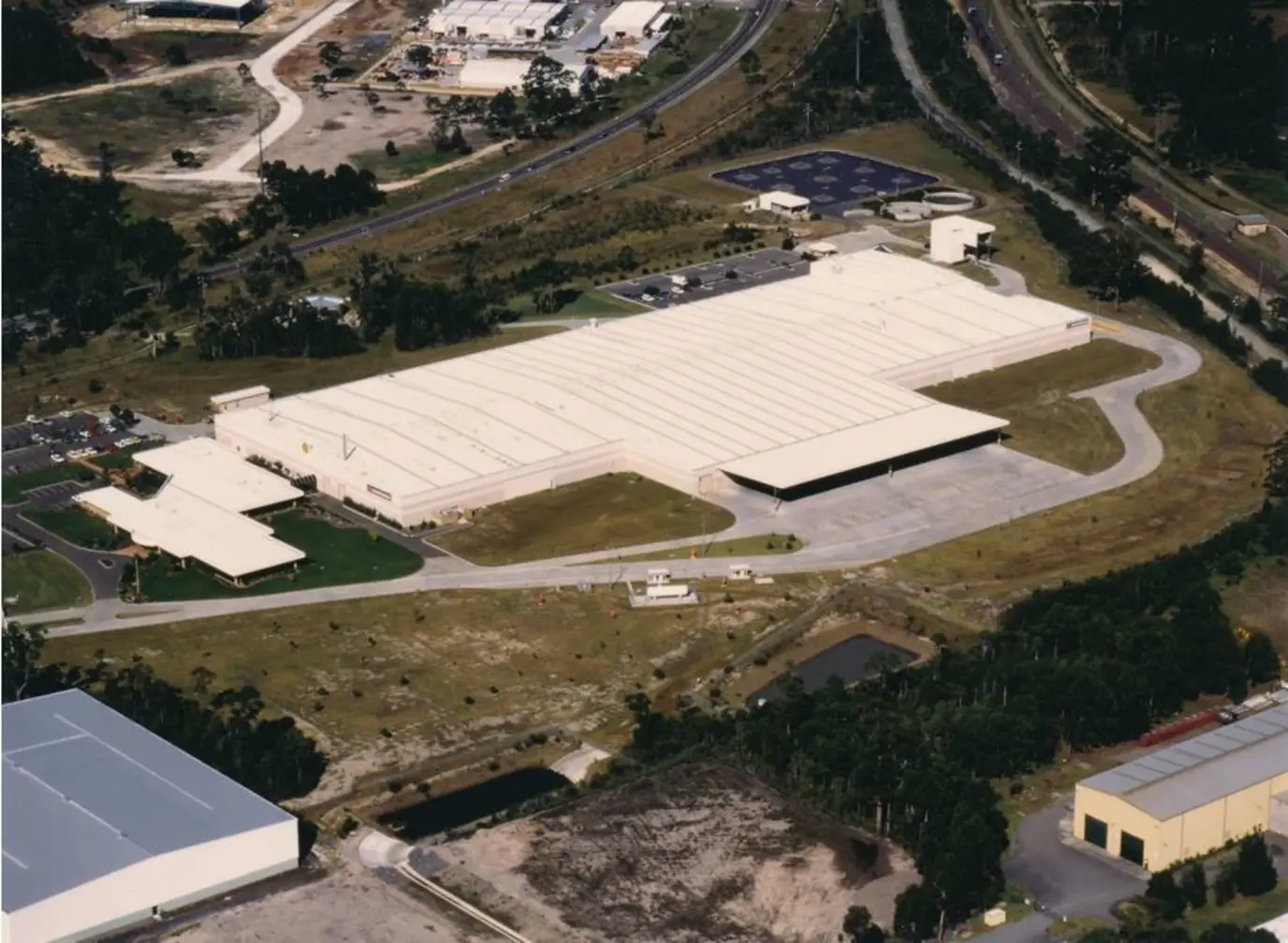
1987
Sanitarium opened a new manufacturing complex in Castle Hill, Sydney, relocating beverage production to the site. As demand continued to grow, a larger purpose-built facility was later established at Berkeley Vale on the NSW Central Coast.
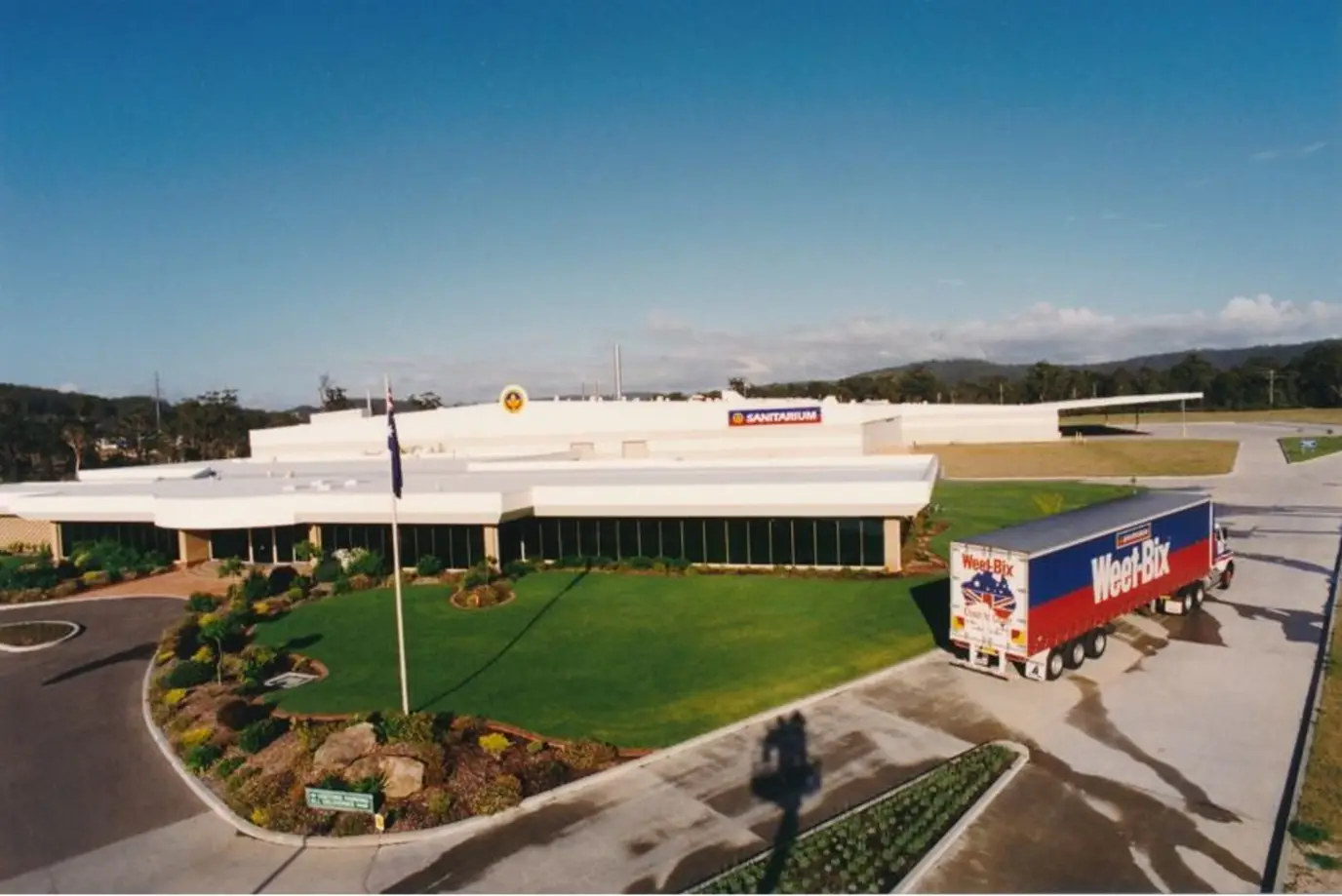
1992
Production commenced at Sanitarium’s new Berkeley Vale facility, supporting the company’s continued growth and future product innovation.
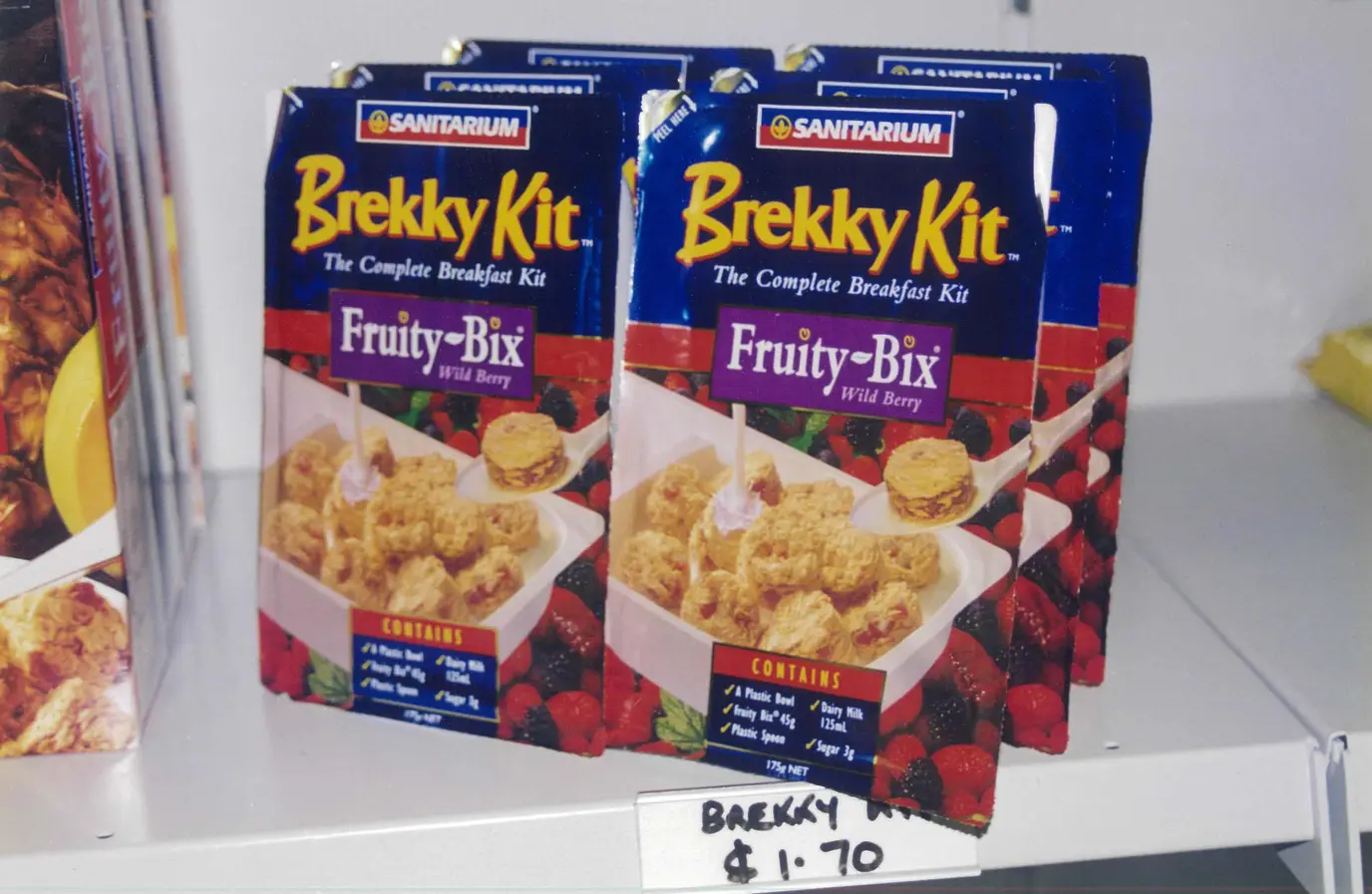
1994
Fruity Bix™ launched as a new breakfast cereal, with plump, round shapes modelled on the original Weet-Bix™.
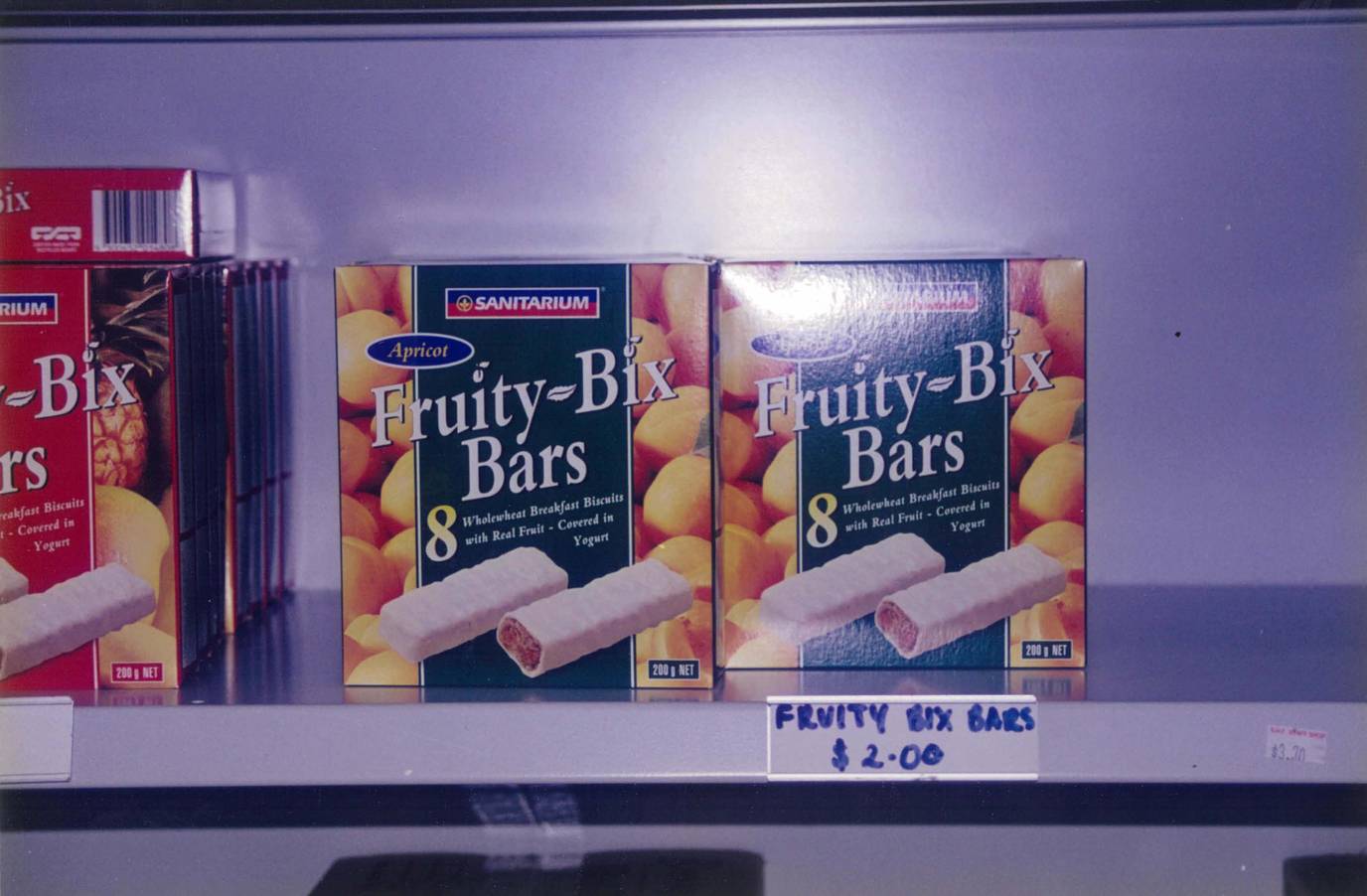
1996
Sanitarium introduced Fruity Bix™ Bars as part of the growing grab-and-go breakfast category, which were later discontinued.
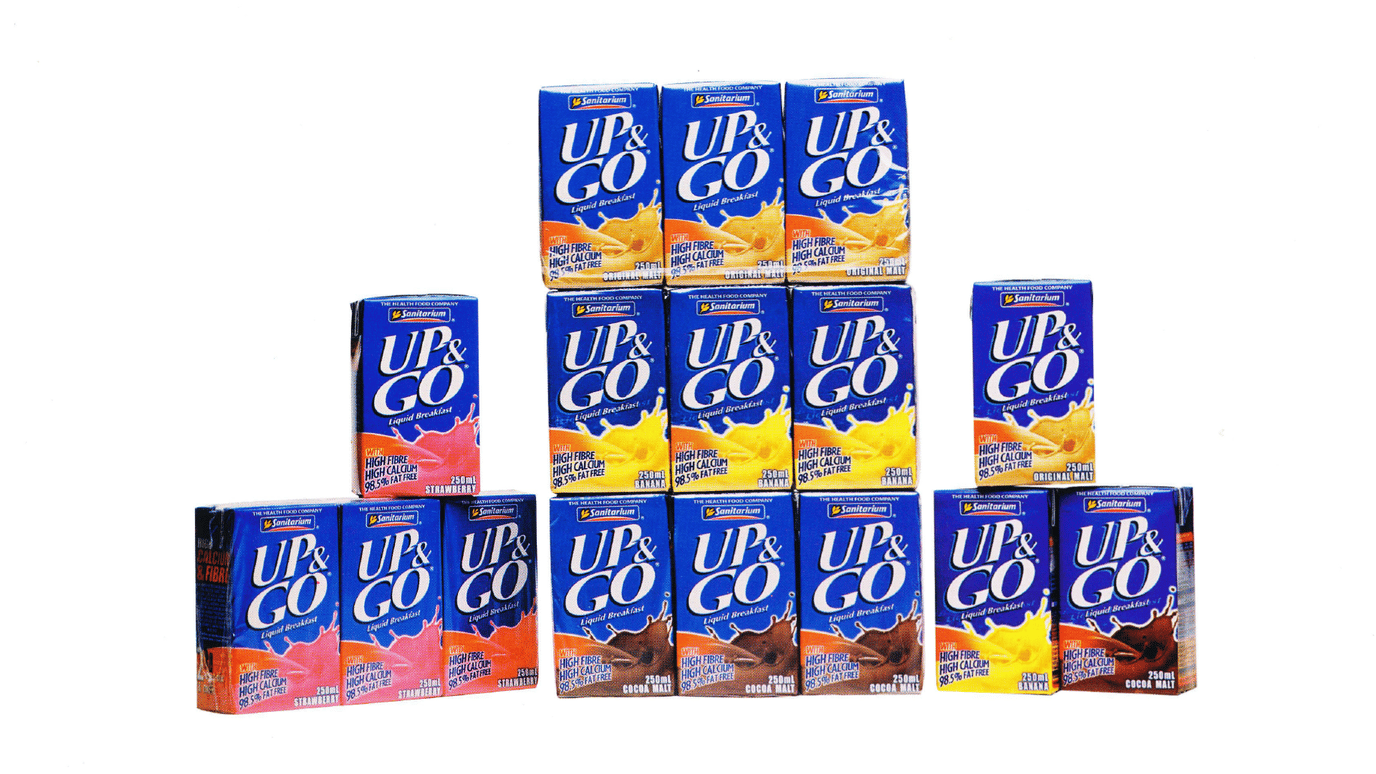
1998
Building on the concept behind Fruity Bix™ Bars, Sanitarium launched UP&GO™ - a world-first liquid breakfast that created an entirely new breakfast aisle category.
UP&GO™ would go on to change breakfast routines across Australia and New Zealand.

1999
Sanitarium brought the Sanitarium Weet-Bix Kids TRYathlon to Australia, with the last event held in 2019 before the COVID pandemic.
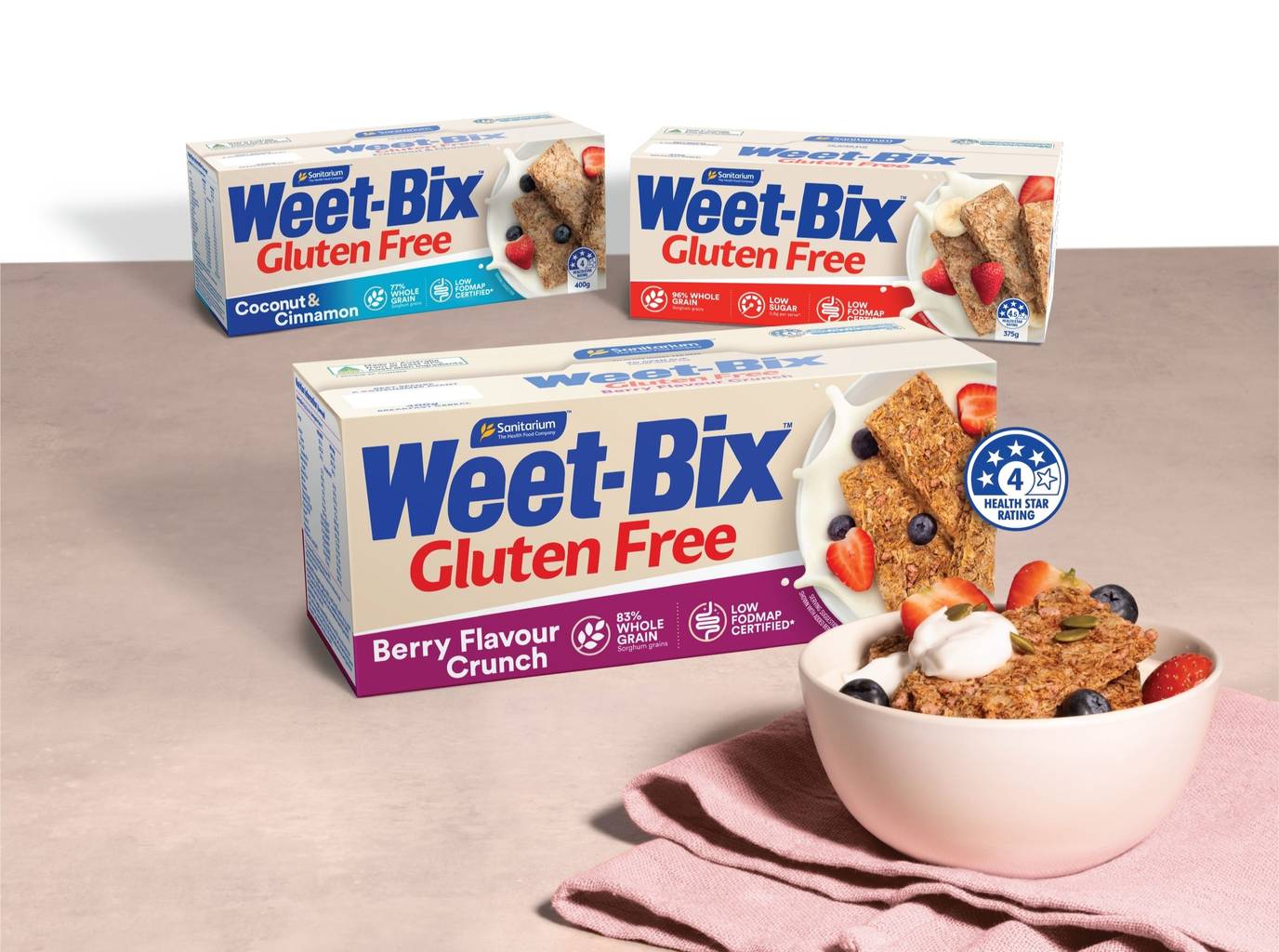
2014
Gluten Free Weet-Bix™ launched in 2014, helping support Australians with specific dietary needs while expanding the iconic Weet-Bix™ range.
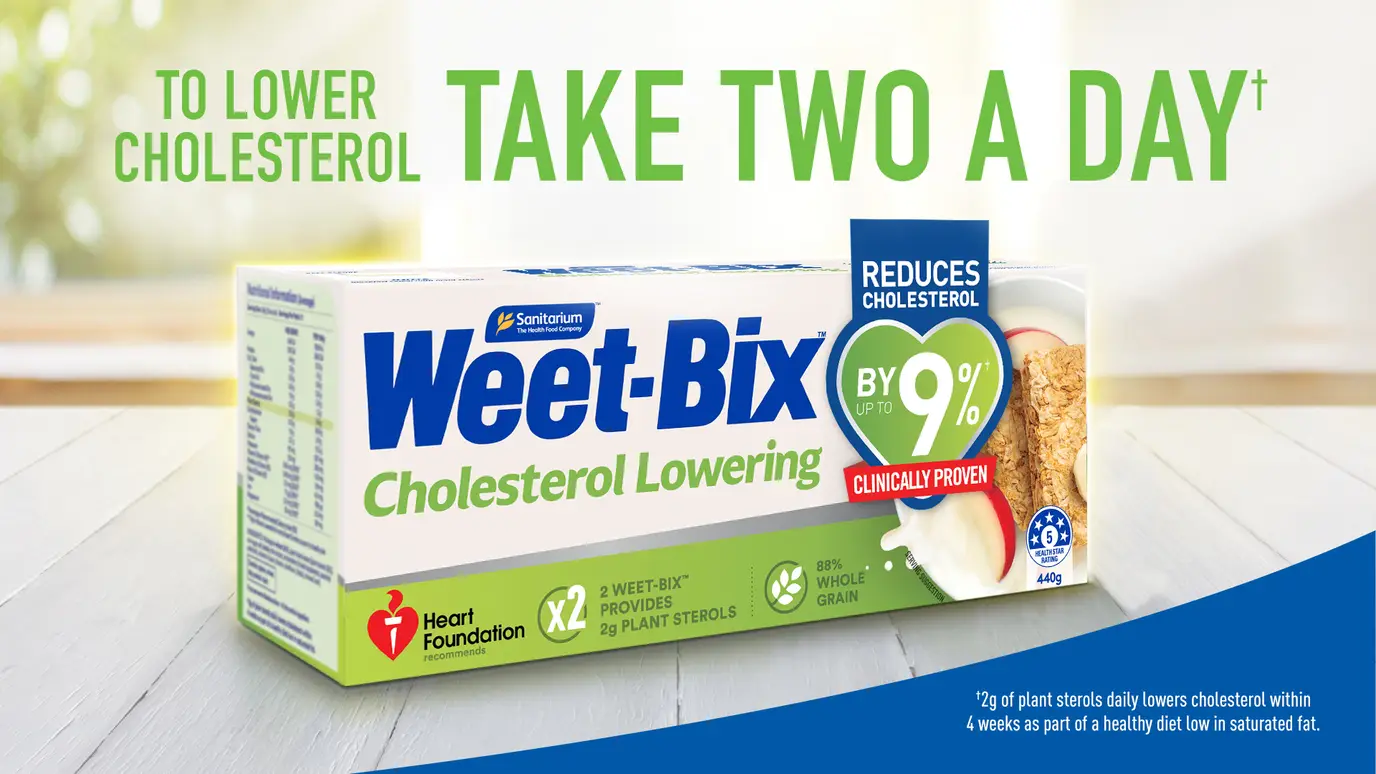
2017
Cholesterol Lowering Weet-Bix™ launched in 2017, continuing Sanitarium’s focus on products designed to evolve with changing nutrition needs.
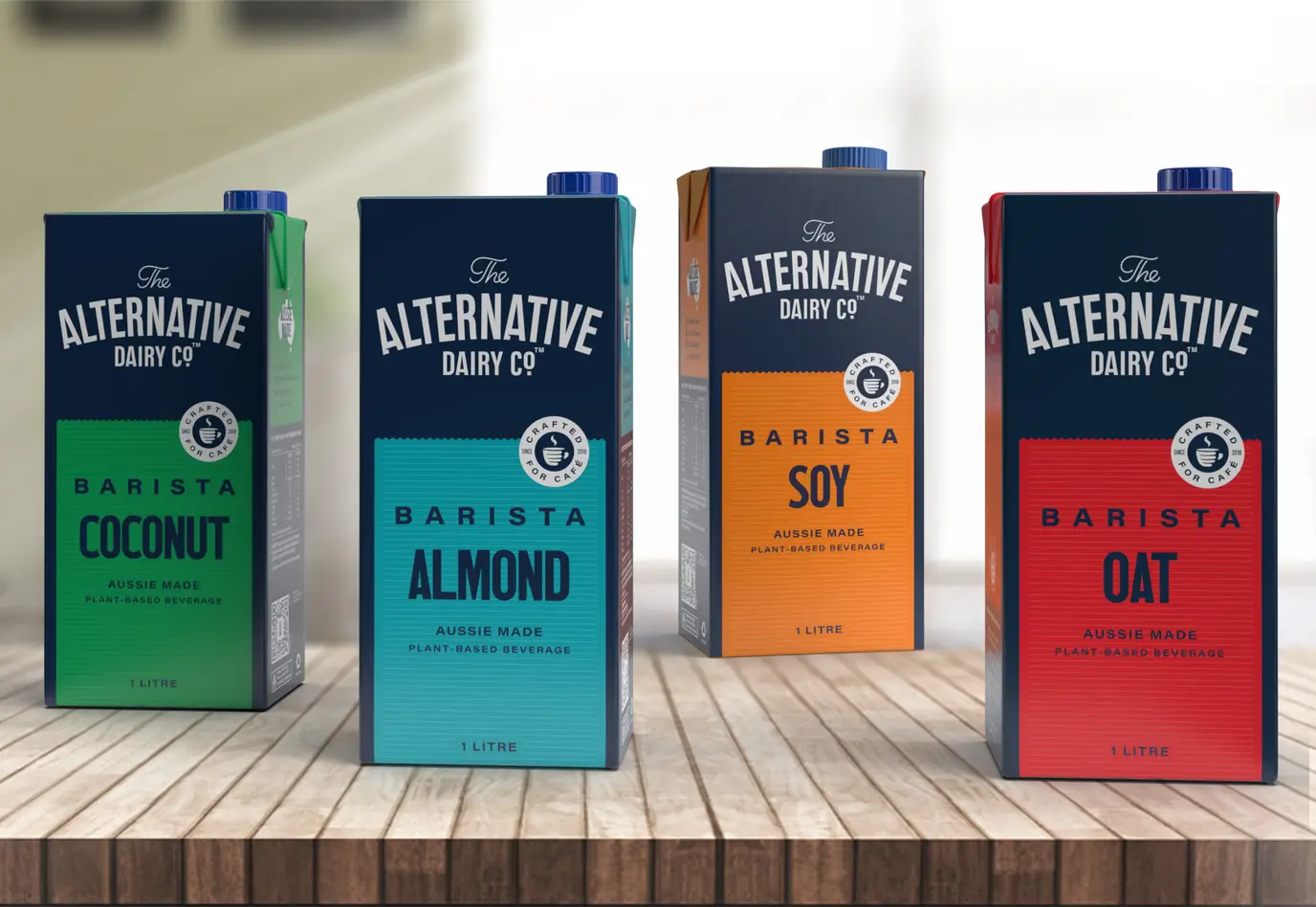
2019
After significant research and development investment, Sanitarium launched The Alternative Dairy Co. - a range of barista plant-based milks developed specifically for cafés.
The range brought Sanitarium’s plant-based expertise into the growing café segment across Australia and New Zealand.
2020
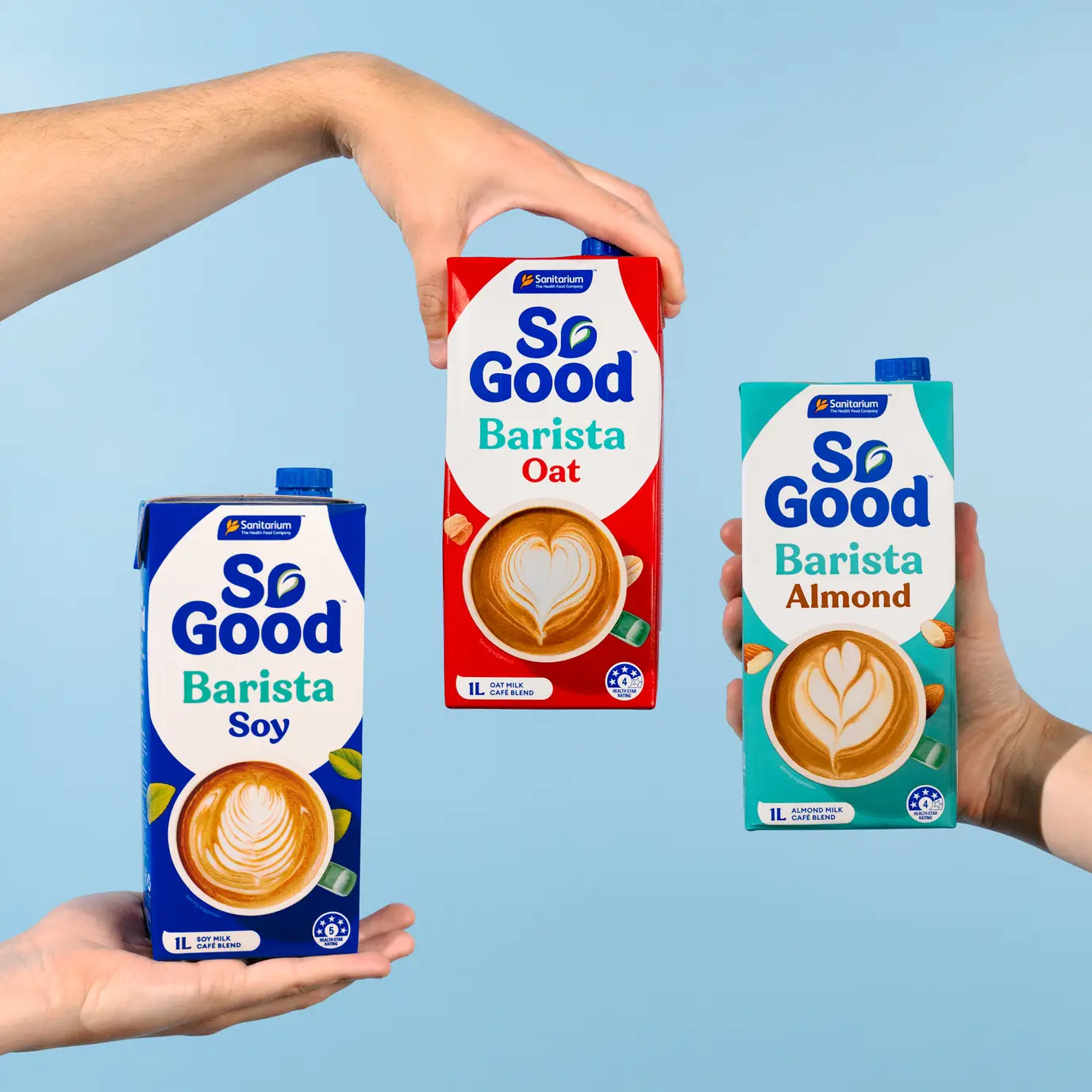
As demand for lower sugar and plant-based options continued to grow, Sanitarium introduced UP&GO™ No Added Sugar, UP&GO™ Dairy Free and So Good™ Barista products into supermarkets.
.jpg?format=webp&quality=70&width=1376 "Image: today")
Today
Now, Sanitarium products are enjoyed in over 40 countries worldwide. While Sanitarium continues to innovate through new products, packaging and technology, its purpose remains the same - helping people eat well and live well through nutritious food, education and community support.
Where our founding purpose shows up today
Caring for communities
Nourishing generations
Respecting our planet
Interested in learning more about Sanitarium’s history?
Get in touch and we’ll happily send you a copy of our 125 Years of Serving Goodness book.