Reducing soft plastic waste and reimagining resources
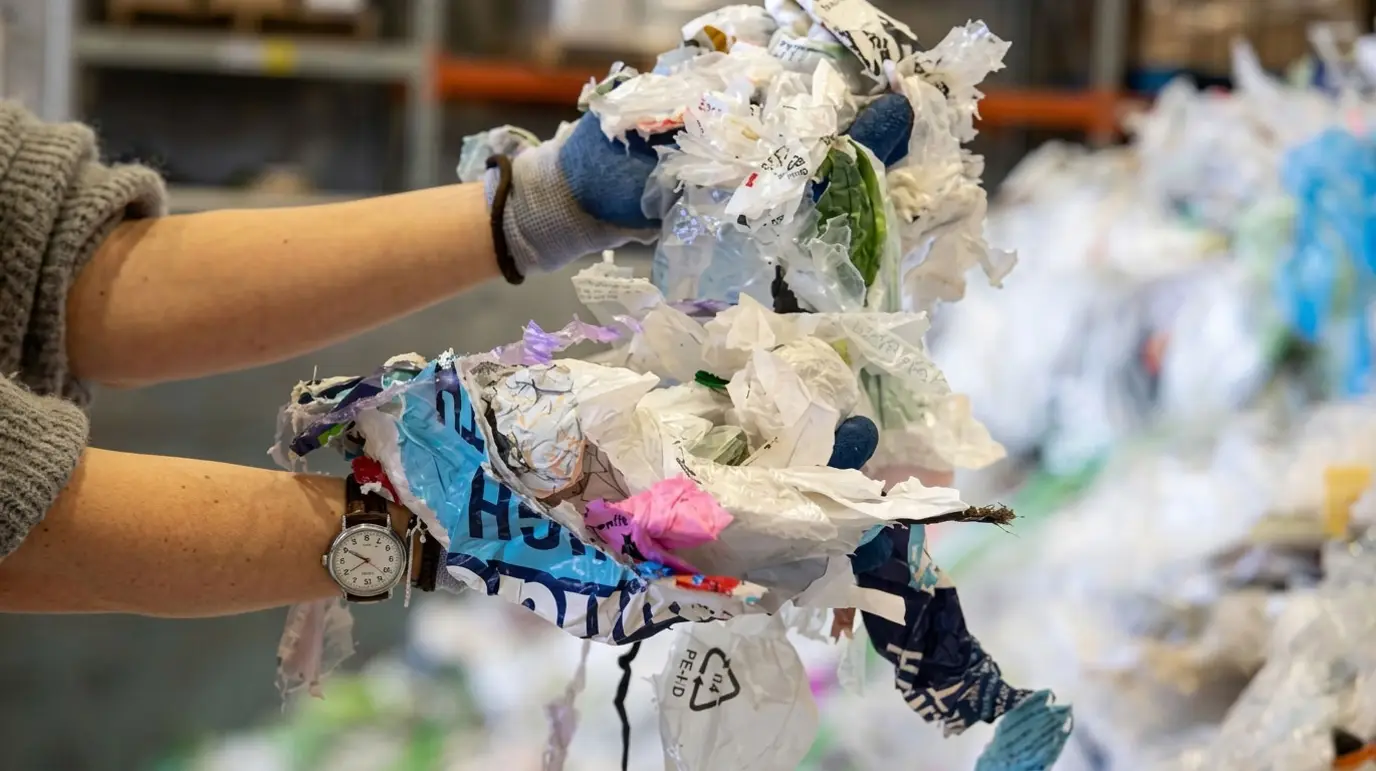
Did you know that out of the 580,000 tonnes of soft plastics produced annually in Australia only 6% is currently recycled? Not only does this represent a significant economic opportunity for packaging producers who could recover and reuse these materials but - more importantly - it reveals the extent to which unnecessary plastic waste is left to pollute our environment and infiltrate our water systems.
As one of Australia’s leading health food manufacturers providing millions of people with nutritious products each year, we work hard to keep sustainability in mind - and finding a solution for how best to manage and recycle soft plastics is a top priority.
The soft plastics problem
In some cases, soft plastics remain the best and most efficient option for protecting food safety, maintaining shelf life and reducing food waste. However, they are challenging to recycle and can be harmful to the environment if they are not thrown away correctly. Littered soft plastics can end up in waterways and oceans, harming marine life such as turtles and fish, and remaining an enduring environmental contaminant. As well as a serious ecological problem, this is also a waste of a valuable resource.
Finding a solution with Soft Plastic Stewardship Australia
Committed to tackling this issue, Sanitarium was a foundation supporter of a pilot program started in 2022 to collect and reprocess soft plastic. Along with other brands and major retailers, we became a founding brand partner when these pilots expanded into the Soft Plastic Stewardship Australia (SPSA) program in 2025. This independent, not-for-profit organisation builds on existing industry initiatives and brings together manufacturers and retailers like Sanitarium to create a national approach to collecting, sorting and reprocessing soft plastic packaging, giving them a second life and diverting them from landfill or being an environmental hazard.
This partnership reflects our commitment to working collaboratively to tackle one of the country’s most complex packaging challenges, as well as our alignment with SPSA’s simple but ambitious goal: to keep soft plastics out of landfill and in circulation for as long as possible.
Delivered in partnership with leading brands and retailers, SPSA will collect levies from organisations that place soft plastic recycling on the market to help fund a national collection and recycling scheme. The scheme is expected to offer consumers multiple recycling pathways. This includes supermarket drop-off points, with more than 700 Coles, Woolworths and Aldi stores anticipated to participate. Plus, kerbside collection programs, with successful pilot programs already demonstrating improved accessibility and participation within local communities.
By supporting the development of infrastructure capable of significant transformation, we are working to create greater resource efficiency, reduce wastage and contribute to improved environmental outcomes across the packaging chain.
We caught up with Andrew Whitson, R&D Manager of Packaging, to hear his take:
"Soft plastics play an important role in protecting products, but they have historically been challenging to collect and recycle. Programs like this represent a significant step forward, aiming to bring together different parts of the supply chain to improve how soft plastics are recovered and processed. Sanitarium has supported the initiative from its early pilot stages and is encouraged to see its continued development and expansion. Increasing access to convenient recycling options can help make it easier for more people to participate. Caring for the environment is important to us both as individuals and as an organisation, and supporting initiatives like this is one way we can contribute to ongoing improvements in sustainability."
Supporting the circular economy
Soft plastic recycling is a critical part of creating a more sustainable future, helping reduce waste while maintaining the benefits packaging provides in protecting food and extending shelf life. By helping transform used plastic into valuable new resources, we are working on reducing our reliance on landfill and driving progress towards a more circular economy where materials remain in use for as long as possible.