How home gardens support health and wellbeing
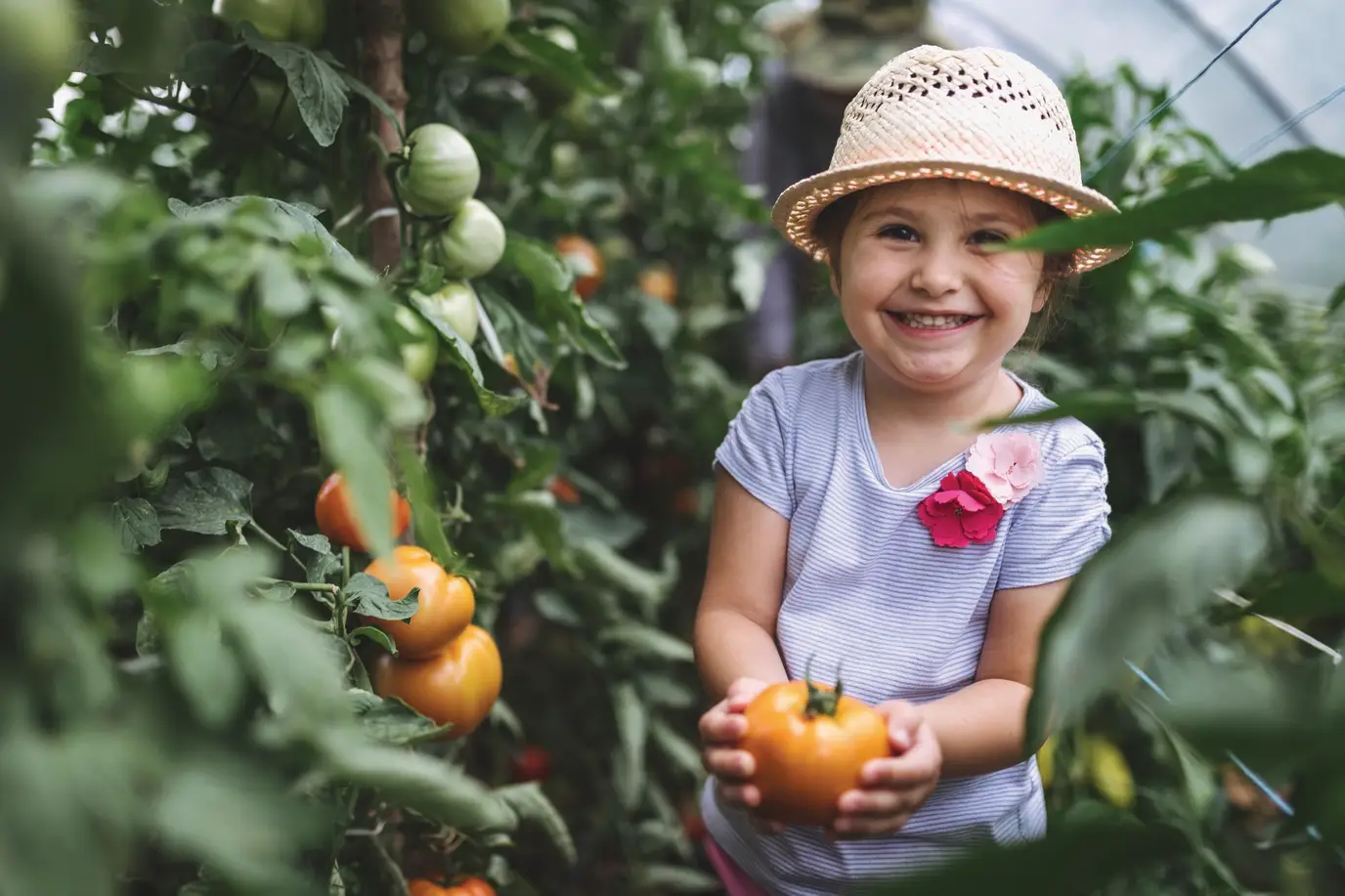
For many Australians, gardening is a rewarding way to spend time outdoors. From vegetable patches and flower beds to herbs on a windowsill, even small home gardens can make a meaningful difference to health and wellbeing.
A 2024 national survey by The Australia Institute and Grow It Local found 45% of Australians grow some of their own food, with 84% of growers producing vegetables and 55% growing fruit trees and herbs.
While often enjoyed as a relaxing hobby, home fruit and vegetable gardens can play an important role in supporting physical health, mental wellbeing and community connection.
Gardens can help us eat well
Most Australians do not eat enough vegetables. In 2023, only 4.3% of Australians aged 2 years and over met the vegetable, legumes and beans recommendation. Just 23% met fruit recommendations. This is one area where home, school, or community gardens can help.
While the evidence does not prove that gardening alone increases vegetable intake for every household, research suggests gardening can create supportive conditions for healthier eating. They can make fruit and vegetables more visible, familiar, and rewarding. When you grow lettuce, herbs, tomatoes or beans yourself, you may be more likely to notice them, use them and build meals around them.
For children, gardening can increase their exposure to vegetables, help build food knowledge and skills, and offer a sense of pride and accomplishment.
Children can:
choose seeds or seedlings
water plants
pick herbs for dinner
count tomatoes or peas
wash vegetables
help make soup, fritters or pasta sauce
taste new vegetables
School garden research also shows that hands-on gardening programs can improve children’s nutrition knowledge, attitudes towards vegetables, and willingness to try new foods.
Touching, smelling, picking and helping prepare vegetables are all steps towards confidence and healthy eating habits.
Can home gardens reduce food costs?
They can, but it depends on what you grow and how you grow it.
A South Australian study measured real home food gardens and found that most of the gardens had potential to produce high enough yields for a yearly food cost saving of at least $250 (not including garden set-up costs). When garden set-up costs were included, the researchers estimated that 65% of the gardens could break even within 5 years or less.
The best savings come from growing foods you use often, or ones that might be expensive to buy fresh. For instance, producing crops before or after their peak period (early and late season crops), when they are at their most expensive to purchase from supermarkets may provide additional savings.
Gardening adds movement to the day
Physical activity guidance encourages Australians to be active most days and break up long periods of sitting.
Gardening can help people move more. Planting, watering, weeding, digging and carrying pots can all break up sitting time.
How to get started
Everyone can grow something, even those with limited space.
Try:
blueberries or potatoes in grow bags
a garden or raised bed with carrots, corn, silverbeet and beetroot
beans or peas on a simple trellis
zucchini if you have room - mature zucchini sprawls up to 120 cm wide
citrus or fruit trees in your garden or a large container
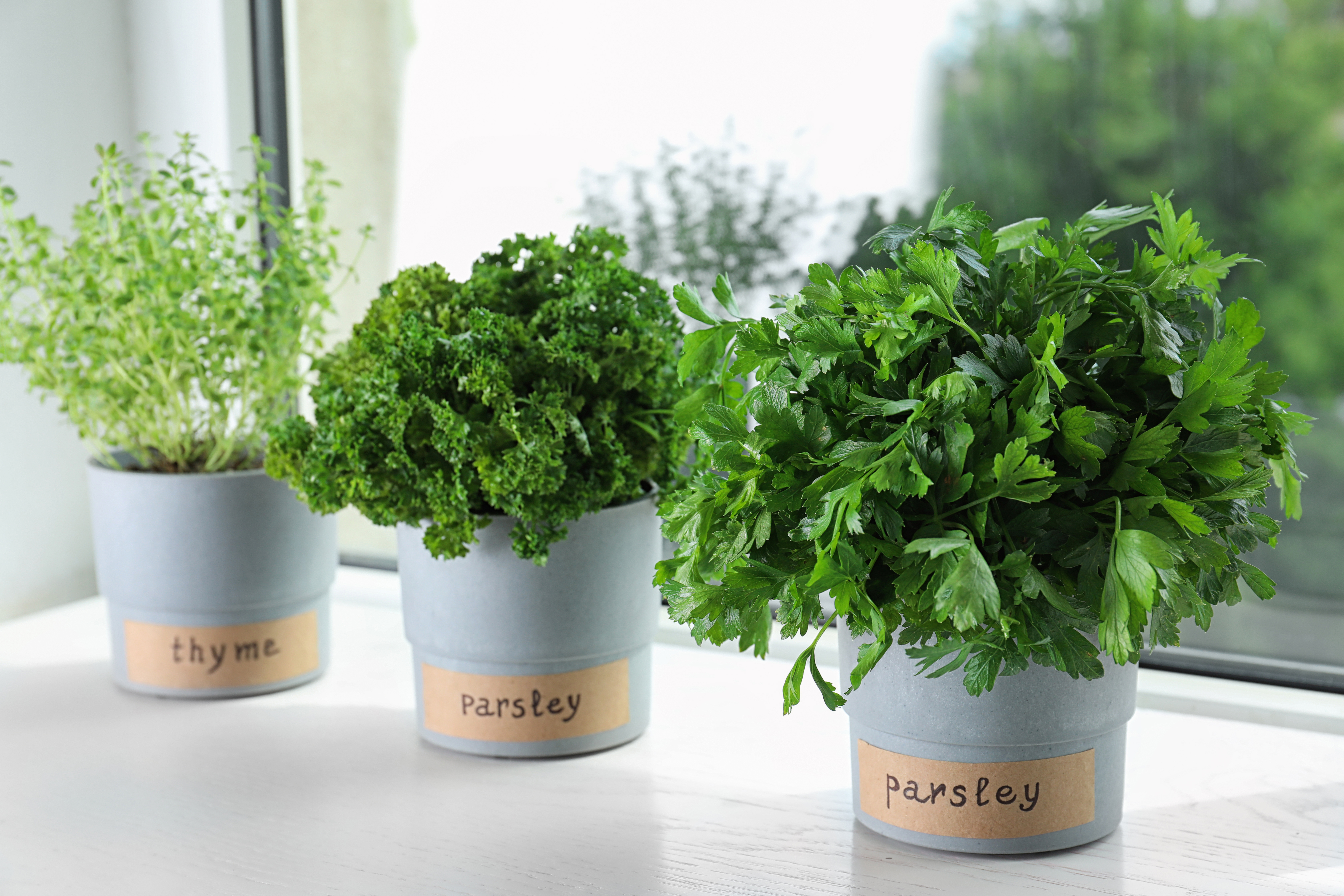
herbs or microgreens like radish, kale or cabbage in a shallow seedling tray, egg carton or recycled plastic fruit punnet
strawberries in a hanging basket
sow tomatoes in your vegie garden or in a large container or pot for your balcony
Choose foods to grow that suit your local climate and environment. Australian growing conditions vary from region to region, so check a local planting calendar before you sow or plant. Use compost, mulch and seasonal planting to help your garden thrive. ABC Gardening Australia has practical advice on vegie gardens, raised beds, companion planting, compost, watering and soil health.
You could also look for a local community garden. Community gardens can offer shared space, learning opportunities, and social connections.
Cook what you grow
The real magic happens when your harvest reaches the plate. Use your harvest vegetables in dishes like frittatas, fritters, pasta sauces, dips, stir-fries, soups, salads and wraps.
With a little planning, you can grow potatoes and corn for this potato and fresh corn soup, or for a baby carrot, beetroot and goats’ cheese salad, grow baby carrots, beetroot, lettuce and radishes.
If you have a harvest surplus, freeze herbs in ice cube trays with a little water or olive oil, and add extra grated zucchini, carrot or spinach to sauces, muffins, fritters and soups. You could also share and swap produce with neighbours, family, a community garden group or local food sharing group.