Understanding probiotics vs prebiotics
You may have heard the terms prebiotics and probiotics but what do they really mean and what role do they both play in keeping you healthy?
Probiotics
Probiotics are live microorganisms (bacteria or yeast), that when consumed in sufficient quantities, either from food or supplements, provide a health benefit.
When you consume probiotics they travel to your gut, where there is literally an ecosystem of bacteria working hard to help your body stay well. In fact, you have more bacterial cells in your gut, than human cells in your whole body!
This delicate ecosystem of bacteria is called your gut flora or gut microbiome. In an ideal situation, your gut microbiome should be made up of a wide variety of good bacteria because they all play different roles in keeping you healthy. Eating plenty of plant foods will help ensure you have enough good bacteria.
Fermented foods such as kefir, kimchi, and sauerkraut can contain potentially beneficial microorganisms however they rarely qualify as probiotics because they are present in unknown or unstandardised types and amounts. True probiotics must have defined microbial strains and amounts and have scientific evidence linking them with a health benefit. To identify a probiotic food, look for the probiotic strain (e.g. L. plantarum ABC) listed on the label, a description of an associated health benefit and specified amount in CFU listed for the health benefit.
If you enjoy fermented foods, then certainly include them in your diet. If you choose to take a probiotic supplement, speak to your GP or dietitian first to make sure it is right for you.
But after you consume probiotics, what happens to them from there? The good bacteria need to be nurtured and fed to stay alive, multiply and help keep your gut healthy – and that’s where prebiotics come in.
Download our free nutrition fact sheet for expert dietitian advice on gut health.
Prebiotics
Prebiotics are fibres that feed the healthy gut bacteria and are important in maintaining a balanced gut. They lay the groundwork for the probiotics to flourish. If probiotics were the flowers in a garden, prebiotics would be the soil those flowers thrive in.
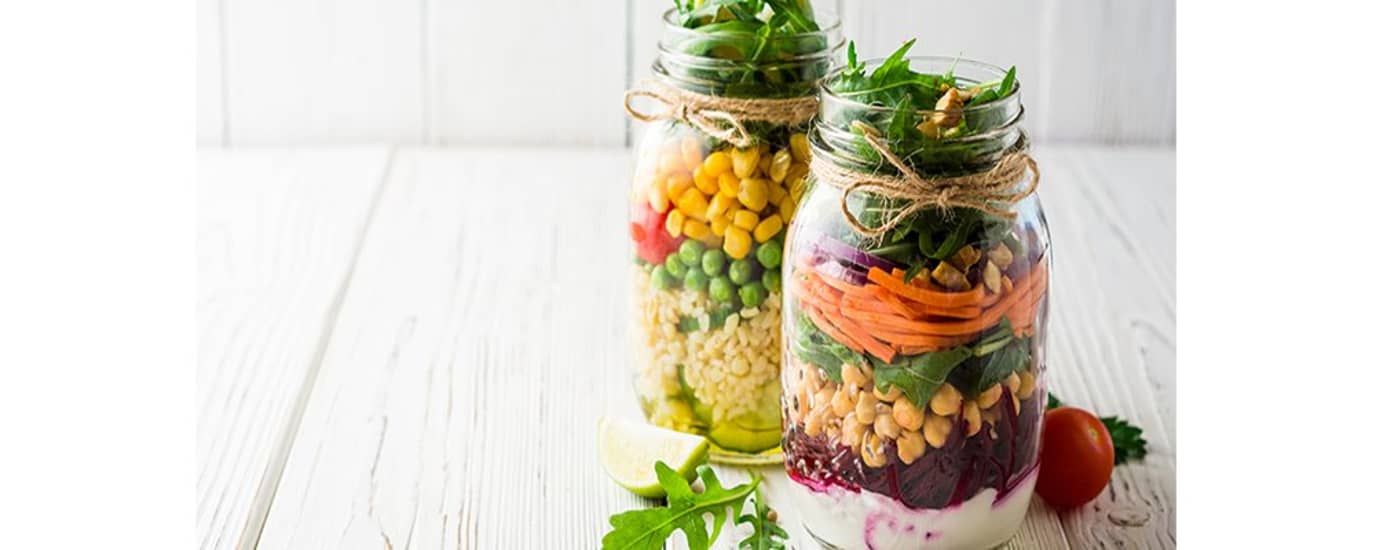
Prebiotic fibres are found in fibre-rich foods like whole grains, legumes (think beans and lentils), fruits and vegetables.
It’s important to nourish the good bacteria in your gut with plenty of prebiotics. They are broken down by the good bacteria into short chain fatty acids (SCFAs). The SCFAs help to keep the lining of the gut healthy which has been linked with reduced inflammation, increased absorption of nutrients from your food, improved immunity, better mood and can protect against bowel cancer.
Inulin is a prebiotic and a type of soluble fibre. It is found naturally in high amounts in chicory root, as well in smaller amounts in foods like Jerusalem artichokes, onions, garlic and the tuber yacon.
Inulin is added to some foods and beverages, including So Good High Fibre + Prebiotics, to support a healthy gut health, by nourishing the good bacteria*, without changing the taste or texture of the food.
For a healthy, happy gut try to include both probiotics and prebiotics in your diet every day. It can make a big difference to your gut almost immediately with research showing changing your diet can improve your gut health in just days.
Want more information?
Our nutrition fact sheets, created by accredited dietitians, provide the latest nutrition and lifestyle information to help you understand which foods are the best to eat. Click here to see the gut health nutrition fact sheets.
Looking for recipe inspiration?
Try our delicious raspberry chia pot – perfect for a make ahead treat or an on-the-go brekky.
Craving something warmer? This winter warming soup is quick and easy to make and packs a punch for prebiotic fibre.
*As part of a balanced diet.