What type of packaging has the lowest carbon footprint in Australia and New Zealand?
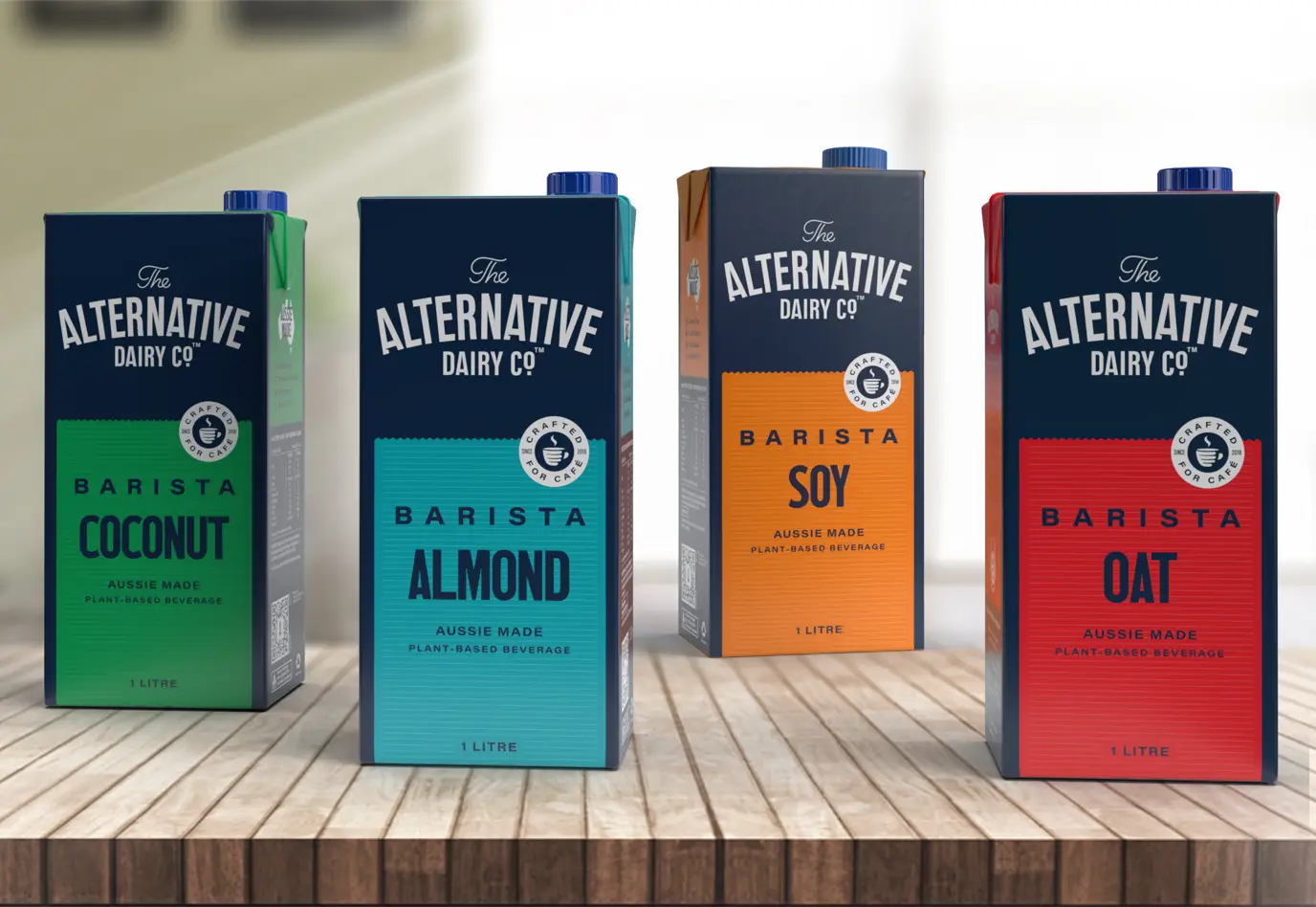
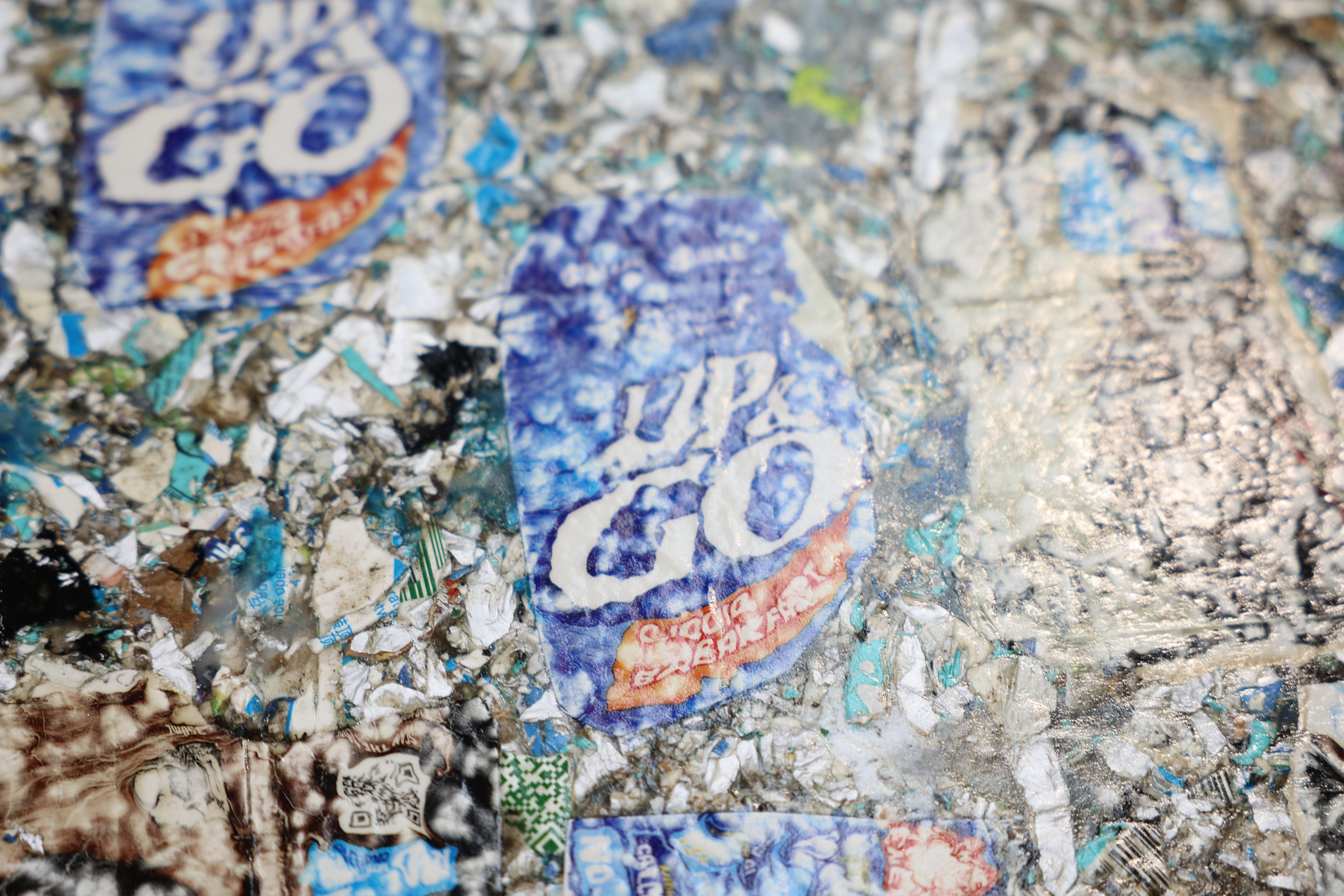
The answer is long-life cartons – which is exactly why we use them for So Good, The Alternative Dairy Co and UP&GO.
A recent Life Cycle Analysis (LCA) of Aseptic Polymer Coated Paperboard, conducted by thinkstep-ANZ on behalf of Tetra Pak, found that these long-life containers compared better than other formats, including aluminium, steel, glass, PET and HDPE plastics and pouches, across all sizes and product categories.
The analysis found that these cartons are efficient in reducing greenhouse gases across the whole supply chain, despite recyclability challenges in some regions.
This is largely because they are:
- Significantly lighter and more space-efficient than other packaging formats
- Made of 65% paper derived from wood fibre, a renewable resource that absorbs carbon as trees grow
The peer-reviewed study revealed strong performance in key packaging efficiency measures, including the amount of packaging and plastic used per unit of product.
Long-life products also have a lower environmental footprint from the outset, as they don’t need to be refrigerated until they’re opened.
Want to read the full LCA? Check out the Life Cycle Assessment | Tetra Pak Australia & New Zealand or SIG life-cycle assessment.