4 reasons to eat more wholegrains - not just at breakfast!
At a glance
Wholegrains aren’t just for the breakfast bowl. From supporting your health to stretching the food budget, discover four good reasons to add more wholegrains to meals and snacks throughout the day.
Wholegrains are often thought of as a breakfast food, but they can add flavour, texture and valuable nutrients to other meals and snacks throughout the day. Unlike refined grains, wholegrains retain all three parts of the grain: the fibre-rich bran, nutrient-rich germ and starchy endosperm - so you get more of the grain’s natural goodness. You can read more about what wholegrains are here.
From supporting long-term health to stretching the weekly food budget, there are plenty of reasons to make wholegrains a regular part of your day. Here are four of the big ones!
1.Wholegrains are key for good health
Wholegrains provide fibre as well as vitamins, minerals and protective plant compounds. Together, these nutrients support digestive health and form part of an eating pattern linked with a lower risk of heart disease, type 2 diabetes and bowel cancer. Diets low in wholegrains have been identified as one of the leading dietary risk factors for early death and years lived in poor health across the globe, including Australia and New Zealand. In Australia specifically, a diet low in wholegrains is one of the leading dietary risk factors for chronic diseases such as cardiovascular disease, type 2 diabetes, some cancers and overall mortality. A recent study also showed that people who ate more wholegrains tended to have better heart and metabolic health, and the benefits increased as wholegrain intake increased.
Wholegrains can also help you get more fibre in your diet, a key nutrient most Aussies don’t get enough of. Fibre supports regular bowel habits, feeds beneficial gut bacteria, contributes to heart health and more - and when you get fibre from wholegrains, you also gain essential nutrients like iron, magnesium, zinc, B-group vitamins and vitamin E.
2. We don't eat enough wholegrains
Most of us have room to add more wholegrains. Australia’s latest National Nutrition and Physical Activity Survey conducted in 2023 found that only around one in four people met the recommended intake for grain and cereal foods. Of the grain foods Australians ate, less than one quarter were wholegrain or high-fibre varieties. The same survey also shows that fibre intake remains a concern for many Australians and unfortunately, intakes of wholegrains and fibre have declined since the last survey conducted in 2011-12.
Retail sales data tells a similar story: the amount of wholegrain foods available through Australian food retailers has fallen over recent years, while refined grain foods have increased. These figures do not capture every meal eaten or show what each person consumes, but they are another sign that wholegrains are losing ground in Australian shopping baskets.
Dietary guidelines in Australia recommend choosing grain foods that are mostly wholegrain and/or high in cereal fibre. A simple place to start is to swap one refined grain food each day for a wholegrain option for example instead of white bread, choose wholemeal or wholegrain.
3. Wholegrains can be cost-effective
Research has shown that if Australians met the recommended 48 grams of wholegrains per day, it could lead to significant economic savings annually by way of lower healthcare costs associated with chronic diseases like heart disease and type 2 diabetes.
Eating well does not always have to cost more. Australian modelling found that choosing nutrient-dense, lower-cost foods, including fortified wholegrain breads and breakfast cereals, could improve both diet quality and affordability for low- and middle-income households. The 2026 Healthylife Living Healthy Report has also found that grain foods are among the lowest-cost core food groups per serve, coming in at 31 cents per serve .
Sanitarium’s own analysis of the top 50-selling ready-to-eat cereals, mueslis and clusters found that Weet-Bix 1.2 kg Value Pack was the most cost-effective product for reaching the 48 g daily wholegrain target. * Based on the prices and sales period analysed, it cost about 26.5 cents to provide 48 g of wholegrain. One standard serve of Weet-Bix from the 1.2 kg Value Pack also cost 16 cents - close to half the reported average cost of one serve of grain foods. Prices can change, but choosing larger-value packs, checking unit prices and selecting versatile wholegrain staples can help make nutritious choices go a long way.
4. Wholegrains are versatile and tasty
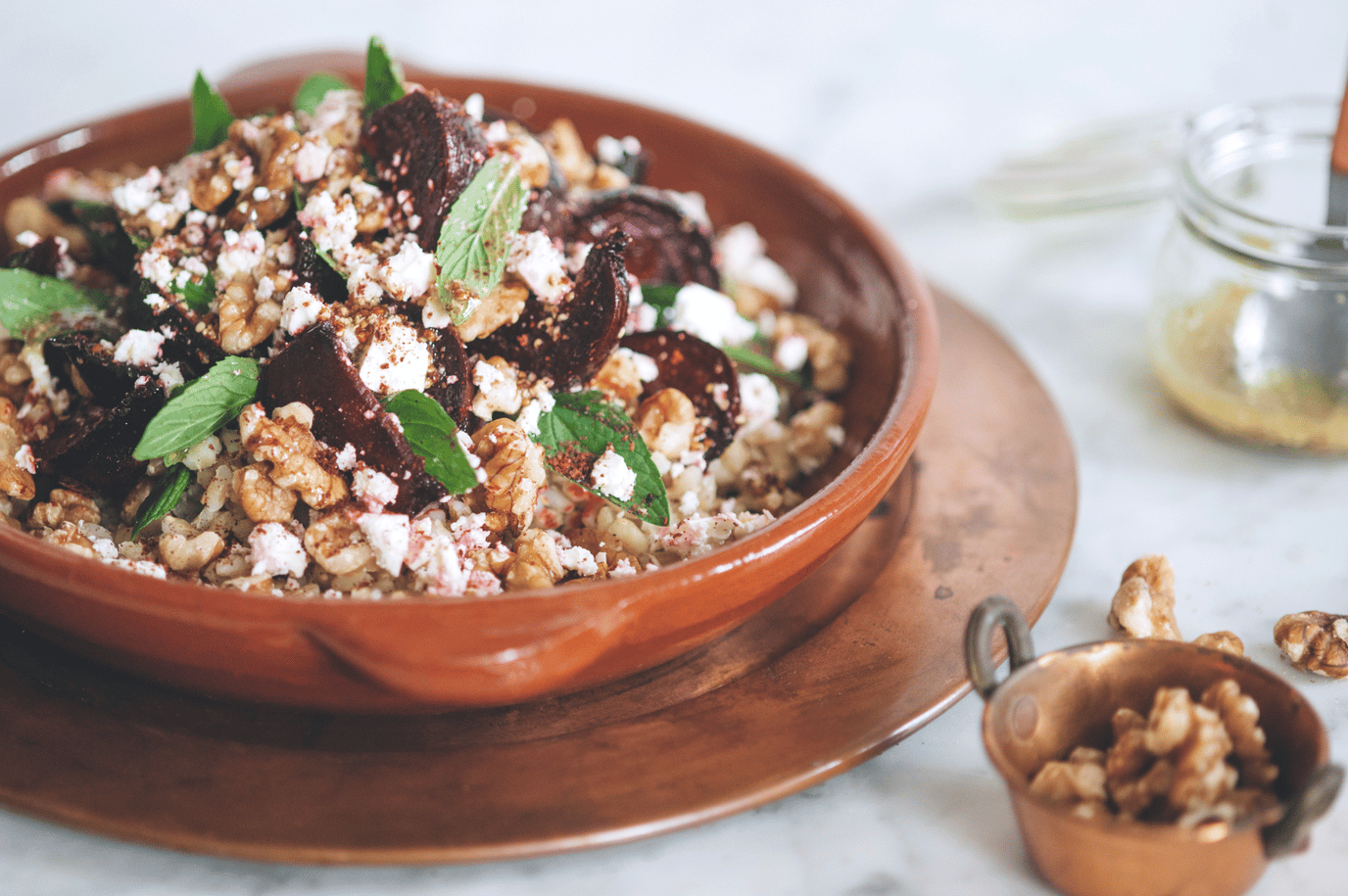
Wholegrains are not just for your morning bowl. Their nutty flavours and different textures can work across breakfast, lunch, dinner and snacks. Try wholegrain cereal or oats at breakfast; wholemeal bread, wholegrain wraps or crackers at lunch; and brown rice, barley, quinoa, freekeh or wholemeal pasta with dinner. Even baking can get a wholegrain boost by replacing some white flour with wholemeal flour, crushed wholegrain cereal, or adding oats.
Keep it easy by making gradual swaps. Mix brown and white rice while your household gets used to the change, add barley to soups, use leftover wholegrains in salads, or top yoghurt and fruit with wholegrain cereal. For more recipe ideas, explore our wholegrain recipe collection - from quick breakfasts to veggie balls, soups, salads and bakes. Small changes across the day can add up, so choose the options that suit your taste, budget and routine.
“Wholegrains have an important place in a healthy, balanced diet. At Sanitarium, we’re passionate about making it easier for people to enjoy more of them through practical nutrition advice, everyday tips and delicious recipes.”
Trish Guy, Accredited Practising Dietitian
Sanitarium is proud to be a member of the Grains & Legumes Nutrition Council.