A Smarter Pantry Starts Here
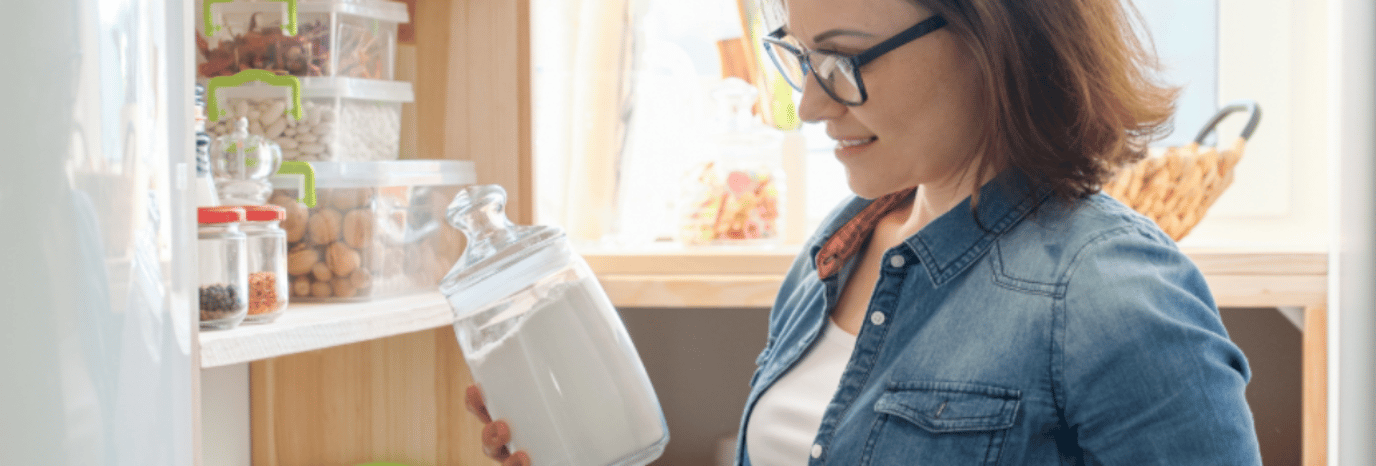
A calm, capable pantry is an unsung hero of nutritious meals. It has the potential to save time, stretch the grocery budget, reduce food waste, and help you whip up something nourishing even when the fridge looks uninspiring.
Here are 5 pantry smarts we are loving right now
1. A “use me first” shelf
For foods that need to be used up, give them an easy-to-spot place or shelf in the pantry (and a section in the fridge). Place foods there that are close to their use by date, and foods that should be used before someone in the family opens a new packet. For example, half a packet of pasta, the last tin of beans, or that nearly finished cereal.
It is a simple strategy that can help reduce your household's food waste and grocery bill.
2. Build a capsule pantry of nutritious staple foods
Consider a reliable lineup of staples that can help you make meals in minutes – tinned legumes, canned tomatoes, wholemeal pasta or brown rice, extra virgin olive oil, wholegrain breakfast cereal, canned fruit in juice, and mixed dried herbs and spices.
If the week goes sideways, your capsule pantry helps you pull together a meal without a special trip to the grocery store.
Your capsule pantry can also help you get more portions out of your meals. By adding tinned legumes to leftovers or bolognaise, soup, curries or pasta dishes, not only will they increase the number of portions of the meal in an affordable way, but the legumes are also contributing protein, fibre and other important nutrients.
3. Have a weekly “use it up” meal
Pick one night of the week, or fortnight, to be a kitchen raid dinner – veggie-packed fried rice, lentil bolognaise, minestrone soup, burrito bowls, or “everything” frittatas.
Get the whole family involved by tapping into your inner Master Chef and let your kids choose the “mystery ingredients” from the fridge and pantry use-me first shelves.
Research shows that kids who are involved in food decisions and preparation are more likely to eat home-made meals and make wiser food choices. Walk your kids through how you are preparing the meal step-by-step, while supervising them with age-appropriate tasks.
4. Storage upgrades
Airtight containers can help food last longer and avoid contamination. There are many different food storage container options out there to suit your pantry style and aesthetic. Or you can use a mixture of storage solutions - any food safe containers you have on hand and reuse clean glass jars from pasta sauces or spreads for storing grains, nuts, and snacks. Clear containers or jars also make it easy to see what you’ve got, so you’re less likely to double buy. Label containers and jars with best before dates.
Upgrade your pantry storage strategy by properly storing vegetables to reduce personal food waste and help them last longer.
Garlic: An unbroken bulb of garlic can last up to 1 year in the pantry. After purchasing, keep garlic whole, store it in a container that allows for circulation, such as a paper bag, and place in a cool, dry area in the pantry.
Onions: Store in a cool, dry place, in a loosely covered paper or mesh bag for air circulation. Onions release ethylene gas, which ripens everything else around it, so keep separate from the rest of your produce.
5. Let the label decide where condiments belong
Some sauces and spreads are pantry friendly until opened, then they belong in the fridge. The easiest rule for this is to follow the storage instructions on the condiments label, and do a quick expiry check while you are there. For example, you might find that once opened, the tomato sauce does actually belong in the fridge, not in the pantry. (While on the topic of food debates... pineapple can absolutely go on pizza!).